Archives
- 2026-10
- 2026-09
- 2026-08
- 2026-07
- 2026-06
- 2026-05
- 2026-04
- 2026-03
- 2026-02
- 2026-01
- 2025-12
- 2025-11
- 2025-10
- 2025-09
- 2025-03
- 2025-02
- 2025-01
- 2024-12
- 2024-11
- 2024-10
- 2024-09
- 2024-08
- 2024-07
- 2024-06
- 2024-05
- 2024-04
- 2024-03
- 2024-02
- 2024-01
- 2023-12
- 2023-11
- 2023-10
- 2023-09
- 2023-08
- 2023-07
- 2023-06
- 2023-05
- 2023-04
- 2023-03
- 2023-02
- 2023-01
- 2022-12
- 2022-11
- 2022-10
- 2022-09
- 2022-08
- 2022-07
- 2022-06
- 2022-05
- 2022-04
- 2022-03
- 2022-02
- 2022-01
-
Mistletoe is universal name for
2024-11-09
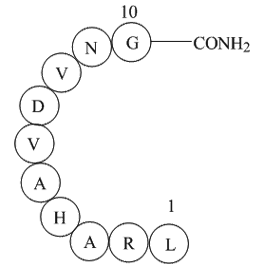
Mistletoe is universal name for various species of parasitic plant which grows attached to and within the branches of host trees such as apple, elm, oak and pine. Mistletoe extract prepared from Viscum album, a species of mistletoe in the family Santalaceae, is generally known as European mistletoe
-
Based on currently available knowledge
2024-11-09
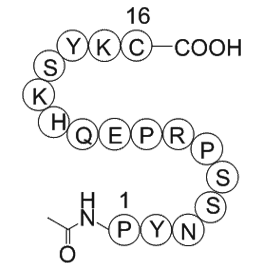
Based on currently available knowledge, autophagy supports adipocytes development and differentiation. In animals with specific skeletal muscle bromophenol blue of Atg7, reduced adipogenesis was shown. In rodents, autophagy was decreased in adipose tissue of animals fed with high-fat diet (HFD). In
-
In Rainey et al published the results of a
2024-11-09
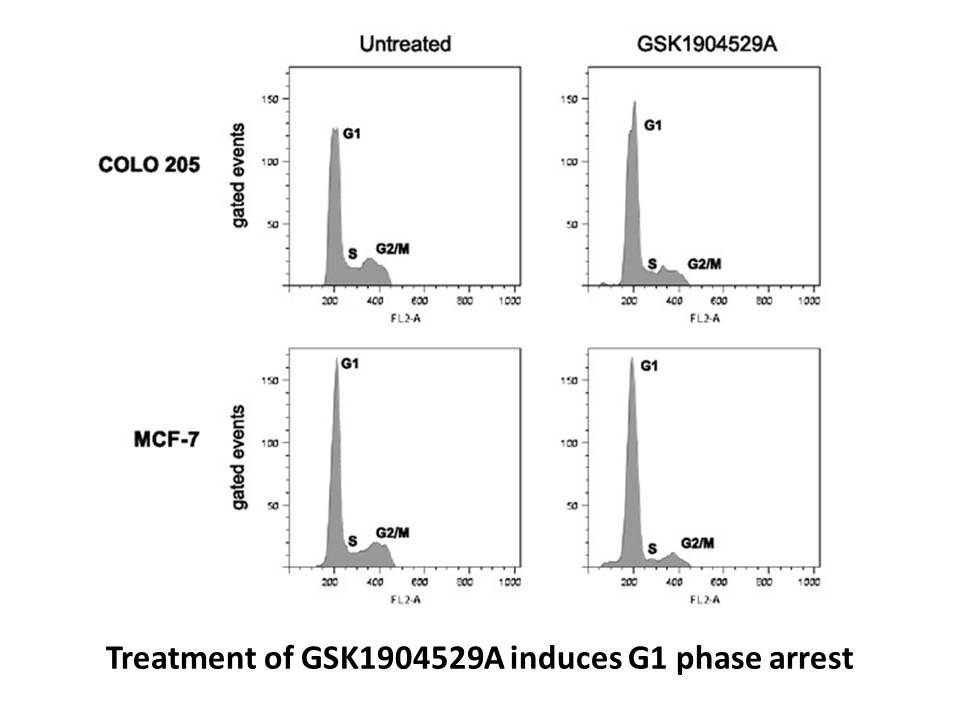
In 2008, Rainey et al. published the results of a targeted compound library screen for potential inhibitors of the ATM kinase. In this study, the compound CP466722 was identified as a highly selective and rapidly reversible ATM inhibitor, which did not inhibit PI3K or related PIKK family members. Mo
-
Herbal medicines have been used
2024-11-09
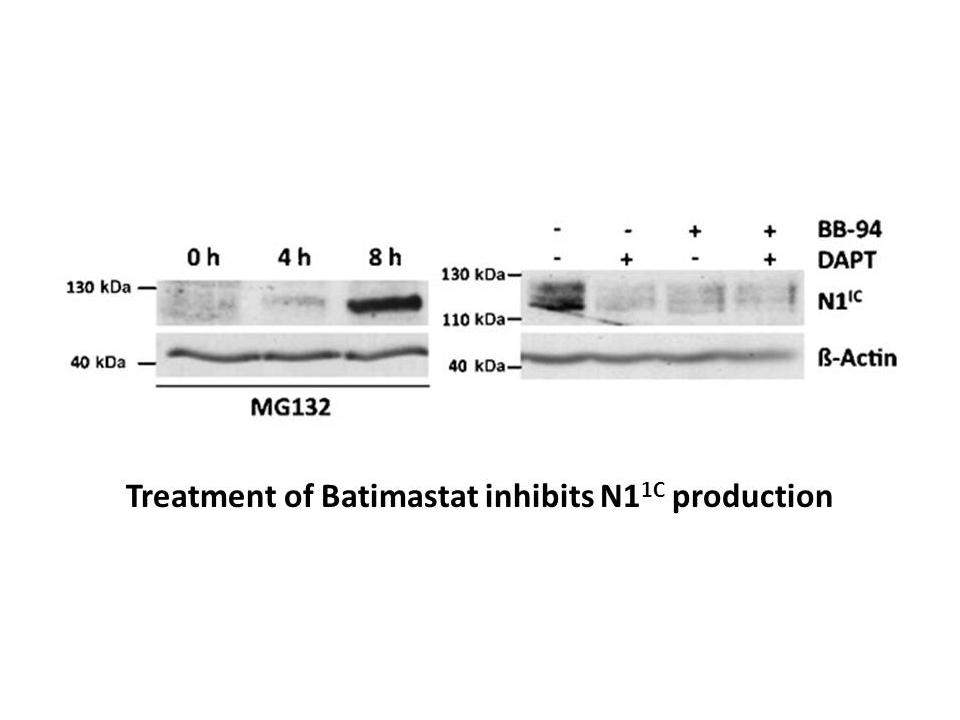
Herbal medicines have been used to treat various types of diseases and disorders for thousands of years worldwide (Li and Brown, 2009). Natural products have been the remedy of cancer chemotherapy for the past several decades. Anisomeles indica (L.) Kuntze. (Labiatae), commonly known as 'yu-chen-tsa
-
br Materials and methods br
2024-11-08
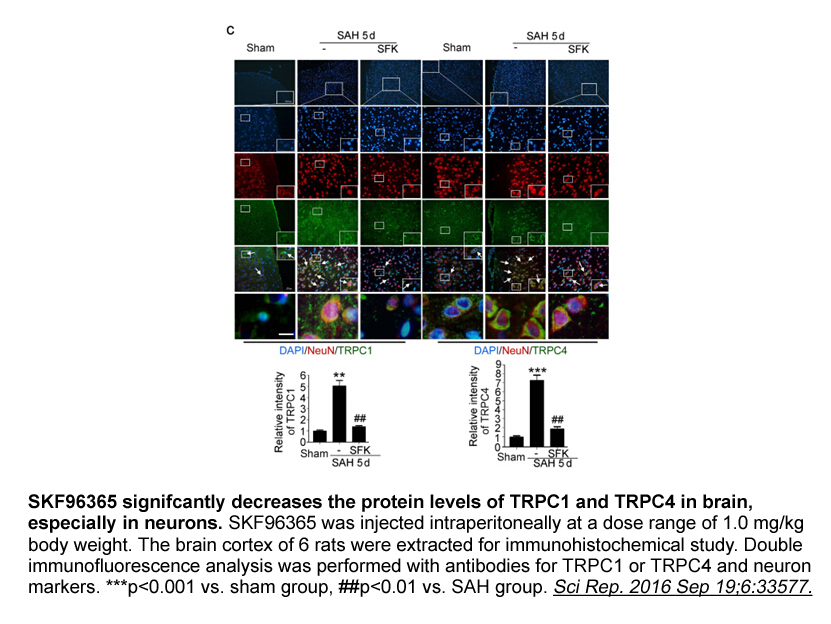
Materials and methods Results Discussion We demonstrate reduced angiogenic activity in NDRG1 overexpressing malignant glioma leading to reduced glioma growth. This antiangiogenic phenotype is paralleled by a significant upregulation of the antiangiogenic gene TNFSF15. TNFSF15 upregulation i
-
NCT-502 receptor Neural activity resulting from sensory expe
2024-11-08
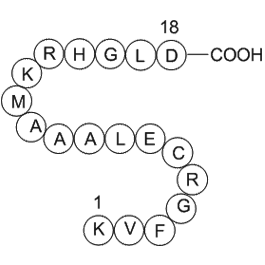
Neural activity resulting from sensory experience is required for the refinement and maturation of neural circuits during cortical critical periods. This refinement is thought to be important for functional optimization of primary sensory cortices, enabling critical functions such as feature detecti
-
Our results lead to the
2024-11-08
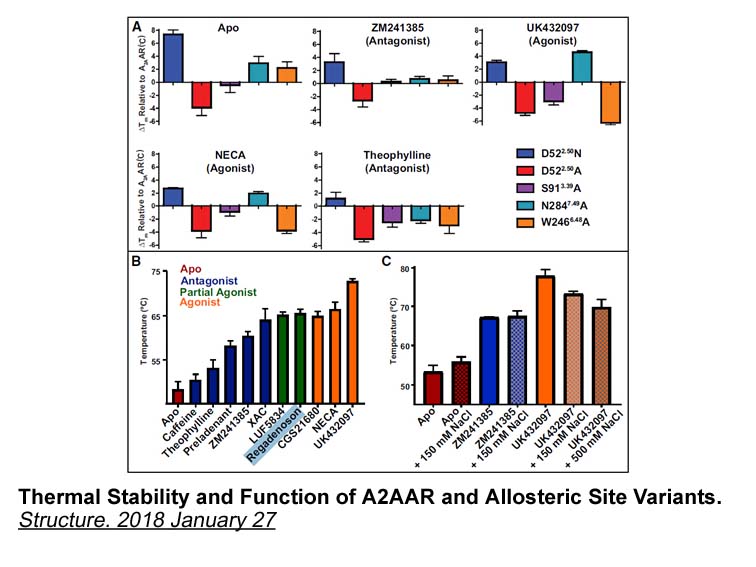
Our results lead to the discovery and characterization of VvAAT2, a gene potentially involved in acetate accumulation in grape berries discovered through amino-acid feeding experiments. Incubation with exogenous amino acids has also been a key in the discovery of new genes affecting fruit aromas [13
-
br Results and discussion br Conclusion The tyrosine kinase
2024-11-08

Results and discussion Conclusion The tyrosine kinase ALK represents one of the most successful molecular targets for the development of precise medicine to treat stratified subgroups of cancer patients. Three generations of ALK inhibitors have been awarded the FDA's approval or are being exte
-
br Theoretical mechanism of ABCA activity in LE
2024-11-08
Theoretical mechanism of ABCA2 activity in LE/LY in modulation of cholesterol trafficking It is important to confirm that ABCA2 is a lipid transporter and identify the substrates that are mechanistic in its cholesterol sequestering activity. We hypothesize that ABCA2 modulates cholesterol sequest
-
Our studies suggest that AdipoR and AdipoR genes are express
2024-11-08
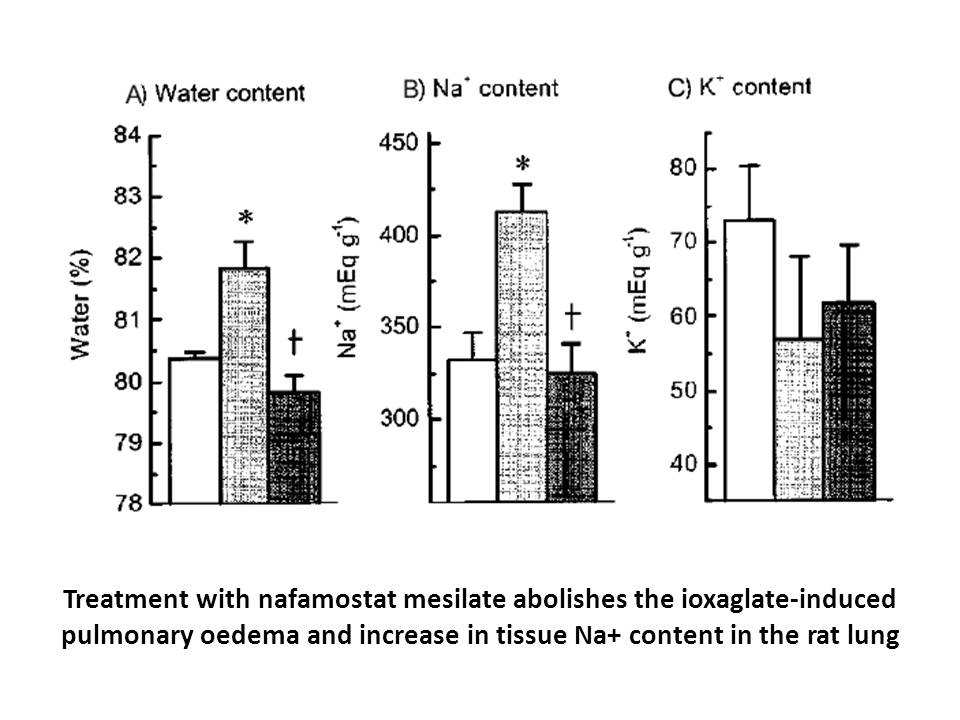
Our studies suggest that AdipoR1 and AdipoR2 genes are expressed in multiple tissues in the chicken wherein both receptors are likely to mediate the physiological effects of adiponectin. We determined the relative expression of AdipoR1 and AdipoR2 mRNA in various tissues and found that skeletal musc
-
To investigate further the clinical and mutational spectrum
2024-11-08
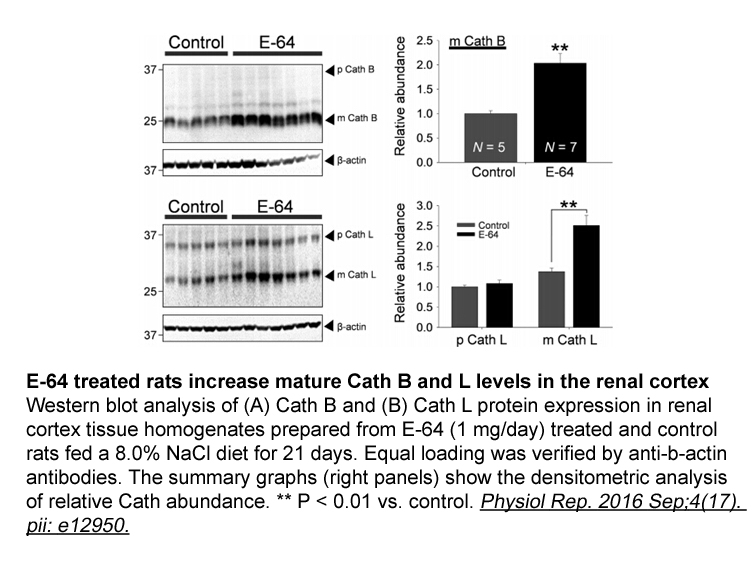
To investigate further the clinical and mutational spectrum associated with -related dyskinesia, we here performed a screen in a large series of patients affected with an unexplained hyperkinetic movement disorder, resulting in the identification of 2 pediatric patients presenting with a novel pheno
-
In fact serotonin is a major modulator of
2024-11-08
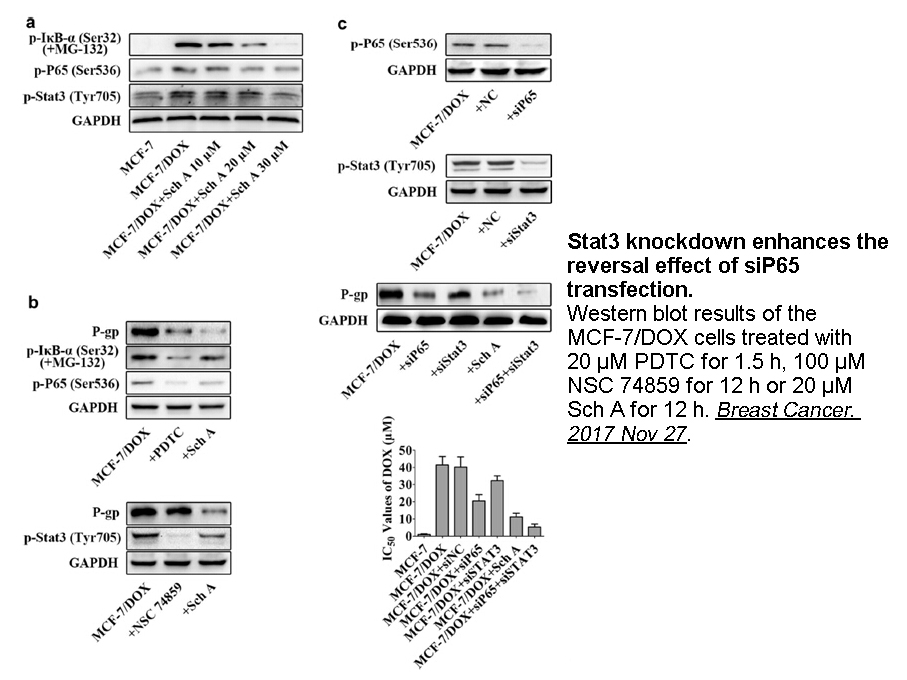
In fact, serotonin is a major modulator of dopaminergic (DA) neuronal activity through the 5-HT2C receptor. Studies have shown that the selective 5-HT2C receptor agonist Ro60-0175 blocks the burst-firing of mesolimbic DA neurons, which project from the ventral tegmental area (VTA) to the nucleus acc
-
Human lipoxygenase exists in two
2024-11-07
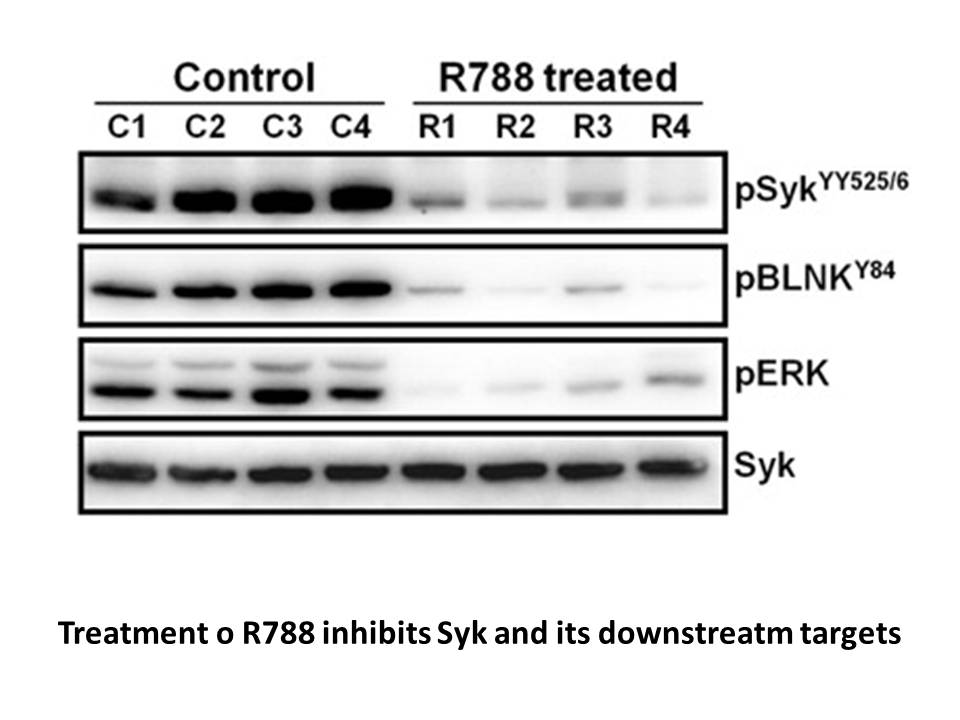
Human 15-lipoxygenase exists in two forms, named 15-LOX-1 (also named 12/15-LOX, 15-LO-1) and 15-LOX-2. Several reports indicate that 15-LOX-1 has a pathophysiological role in respiratory inflammatory diseases, in particular asthma. Increased activity of 15-LOX-1 is displayed in the respiratory trac
-
KW-6002 Several structural classes of ASK inhibitors mostly
2024-11-07

Several structural KW-6002 of ASK1 inhibitors, mostly from industry but also from academia, have been identified over the last decade. In 2012, Terao et al. (Takeda) reported imidazo[1,2-α]pyridine () as a potent ASK1 inhibitor derived from structure-based drug design. GSK, Merck and Gilead reveal
-
br Methods for antifungal testing of mucorales species The
2024-11-07
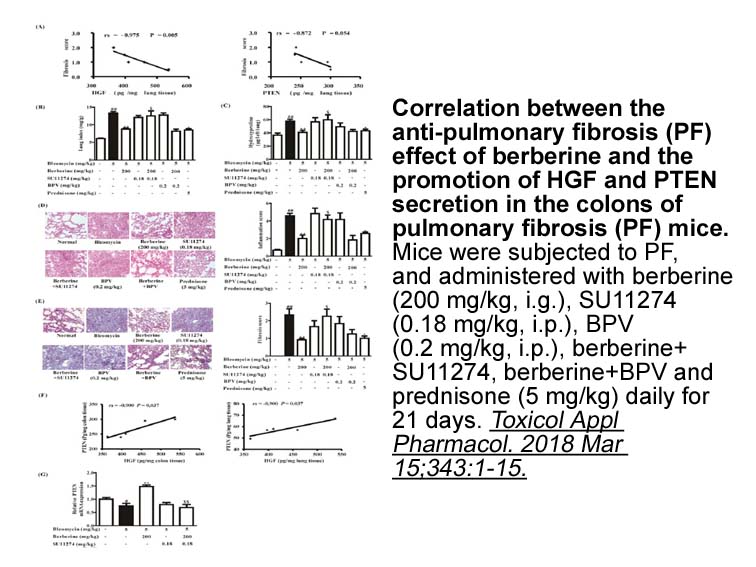
Methods for antifungal testing of mucorales species The Clinical and Laboratory Standards Institute (CLSI) and European Committee on Antimicrobial Susceptibility Testing (EUCAST) reference methods currently in place for in vitro antifungal susceptibility testing of filamentous fungi [8], [9] have
8573 records 97/572 page Previous Next First page 上5页 96979899100 下5页 Last page