Archives
- 2026-06
- 2026-05
- 2026-04
- 2026-03
- 2026-02
- 2026-01
- 2025-12
- 2025-11
- 2025-10
- 2025-09
- 2025-03
- 2025-02
- 2025-01
- 2024-12
- 2024-11
- 2024-10
- 2024-09
- 2024-08
- 2024-07
- 2024-06
- 2024-05
- 2024-04
- 2024-03
- 2024-02
- 2024-01
- 2023-12
- 2023-11
- 2023-10
- 2023-09
- 2023-08
- 2023-07
- 2023-06
- 2023-05
- 2023-04
- 2023-03
- 2023-02
- 2023-01
- 2022-12
- 2022-11
- 2022-10
- 2022-09
- 2022-08
- 2022-07
- 2022-06
- 2022-05
- 2022-04
- 2022-03
- 2022-02
- 2022-01
- 2021-12
- 2021-11
- 2021-10
- 2021-09
- 2021-08
- 2021-07
- 2021-06
- 2021-05
- 2021-04
- 2021-03
- 2021-02
- 2021-01
- 2020-12
- 2020-11
- 2020-10
- 2020-09
- 2020-08
- 2020-07
- 2020-06
- 2020-05
- 2020-04
- 2020-03
- 2020-02
- 2020-01
- 2019-12
- 2019-11
- 2019-10
- 2019-09
- 2019-08
- 2019-07
- 2019-06
- 2019-05
- 2019-04
- 2018-07
-
sitagliptin phosphate The first described synthetic FFA acti
2021-10-14
The first described synthetic FFA1 active agonist, GW9508 (4- [(3-phenoxyphenyl)methyl]amino benzenepropanoic acid), was immediately shown to also activate FFA4, although with some 100-fold lower potency [38]. Therefore, in the initial absence of FFA4-selective synthetic agonist ligands, GW9508 was
-
br The presence of an active glyoxalase pathway in an
2021-10-14
The presence of an active glyoxalase pathway in an apicomplexan parasite was first reported in Plasmodium falciparum-infected erythrocytes (Vander Jagt et al., 1990). Some years later, glyoxalase I and both glyoxalase II enzymes were characterized in this parasite (Akoachere et al., 2005, Iozef et
-
The following are the supplementary data
2021-10-14
The following are the supplementary data related to this article. Author contribution Conflict of interest Introduction Thrombosis (arterial and venous) is a major cause of vascular obstructive diseases including myocardial infarction, cerebral infarction and pulmonary embolism. Glycoprote
-
SKF 83566 hydrobromide mg The manner in which various residu
2021-10-14
The manner in which various residue side chains are oriented in the active site of HsHxKIV was a driving factor for why glucosamine analogues could not bind, as we previously proposed [16]. These compounds would have difficulty managing access into the active site based on residue P153 in addition t
-
Recently multiple receptor agonists have been developed to
2021-10-14
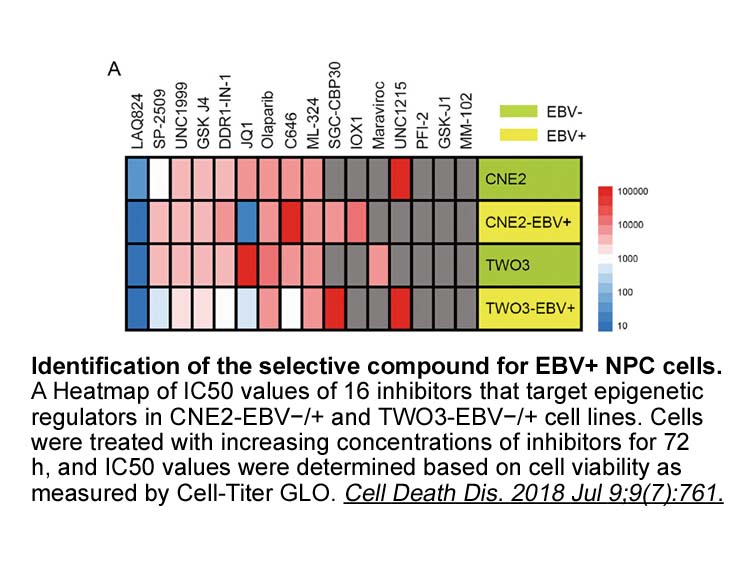
Recently, multiple receptor agonists have been developed to treat type II diabetes (Finan et al., 2013, Finan et al., 2015). We have tested novel dual GLP-1/GIP receptor agonists that showed good neuroprotective effects that are superior to single GLP-1 analogues (Cao et al., 2016, Jalewa et al., 20
-
The orientation of the immobilized enzyme may
2021-10-14
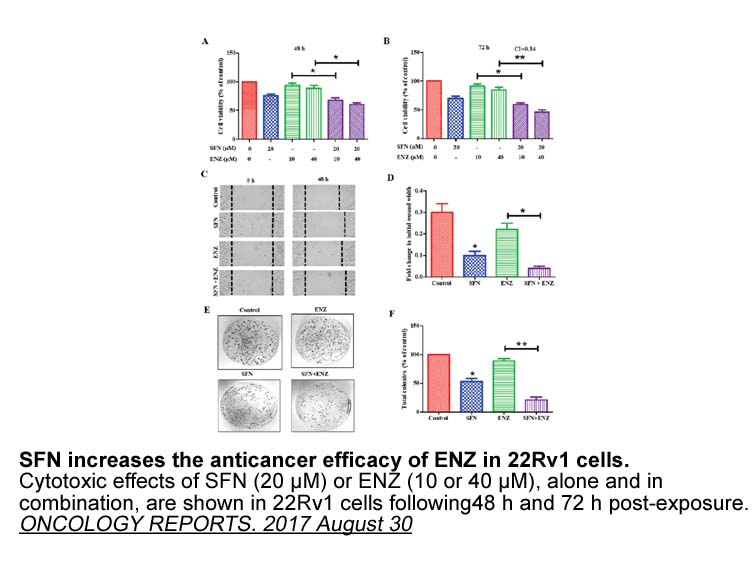
The orientation of the immobilized enzyme may affect its activity and stability and therefore the final biocatalyst performance. Since proteins present areas more prone to unfolding in their surface or near to it [36], the immobilization through these areas may improve the final biocatalyst stabilit
-
However at variance with the well studied R
2021-10-13
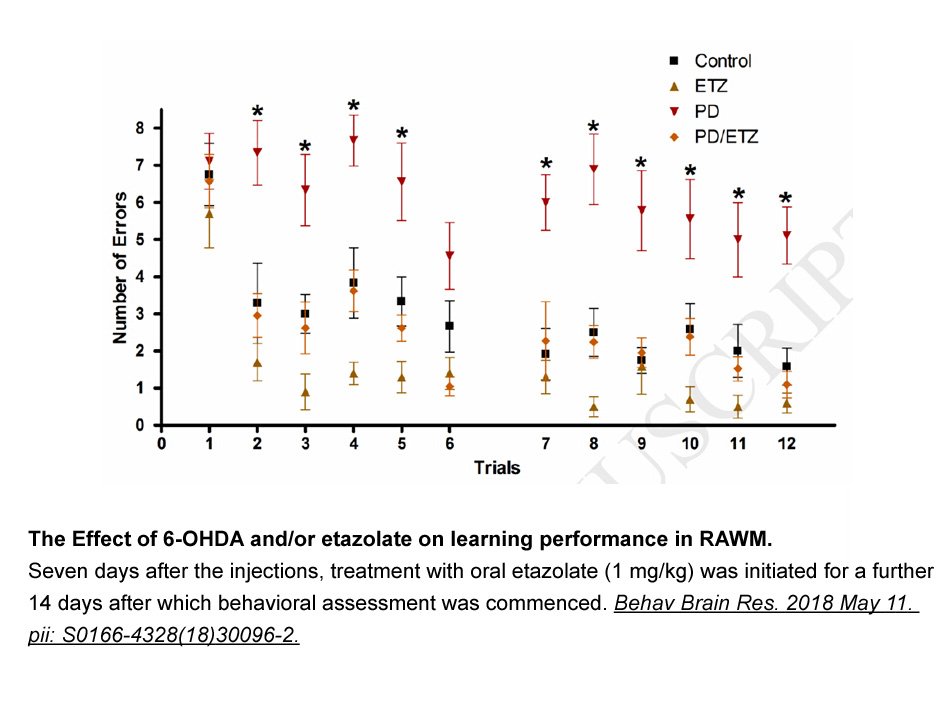
However, at variance with the well-studied R form of FBP1 which is flat, the R state of FBP2 is diametrically different, with a perpendicular orientation of the upper and lower dimers (Barciszewski et al., 2016). The cruciform-like R state of FBP2 is stabilized by a unique hydrophobic motif called ‘
-
Overall we partially confirmed our predictions and
2021-10-13

Overall, we partially confirmed our predictions, and, when compared to the other existing dataset exploring the interaction among CRFR1, FAAH, and anxiety, our data are somewhat confirmatory. Demers and colleagues (Demers et al., 2016) found one (protective) CRFR1 minor allele (rs110402) and the (le
-
Hexokinases HXKs are major regulatory enzymes in
2021-10-13
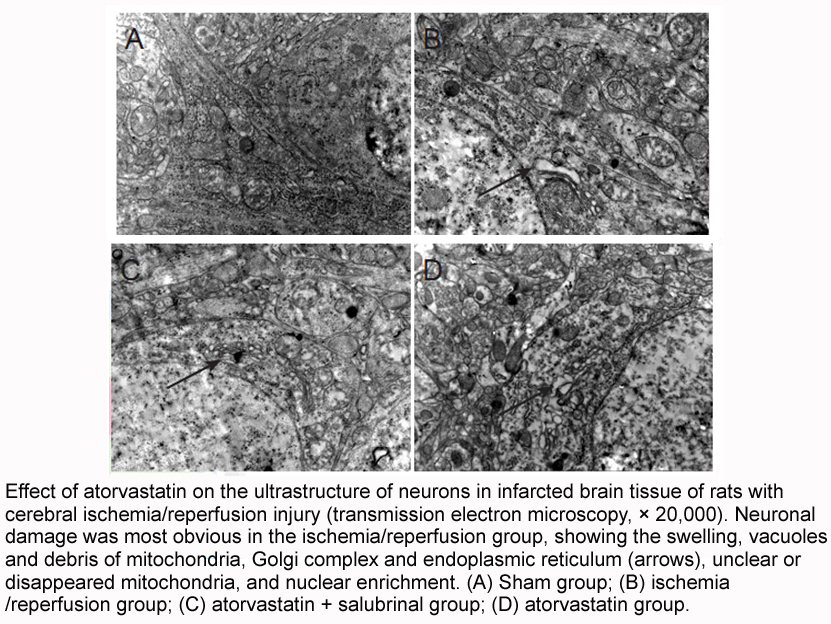
Hexokinases (HXKs) are major regulatory enzymes in sugar metabolism and in sugar sensing in plants (Claeyssen and Rivoal, 2007, Granot et al., 2013, Sheen, 2014, Aguilera-Alvarado and Sánchez-Nieto, 2017). HXK can phosphorylate both glucose and fructose to respective hexose-6-phosphates as a first s
-
UMI-77 synthesis Lieber have discussed alcohol outside the
2021-10-13

Lieber (2000), have discussed alcohol outside the context of hepatitis C infection exerts specific pathologic effects on the liver. Liver biopsies in patients with hepatitis C who drink alcohol are generally consistent with hepatitis C alone, with portal-based pathology, rather than alcoholic injury
-
Aurora kinase B AURKB and haploid cell specific
2021-10-13

Aurora kinase B (AURKB) and haploid cell-specific protein kinase (Haspin) are two well-known participants in N-terminal histone H3 phosphorylations during mitosis. A related role played by these kinases relates to the fact that AURKB is activated by Haspin promoted phosphorylation at T3. Irrespectiv
-
CgtA is involved in stringent response
2021-10-13
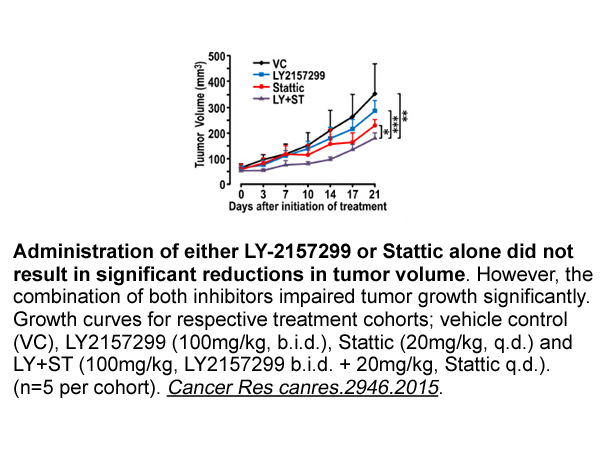
CgtA is involved in stringent response and it interacts with SpoT to maintain optimal (p)ppGpp/ppGpp quotient in bacteria. Depletion of CgtA results in increased ppGpp levels [8]. CgtA is also important for cellular development [12] and involved in synchronization of DNA replication initiation and c
-
br Funding This work was partially supported by
2021-10-13
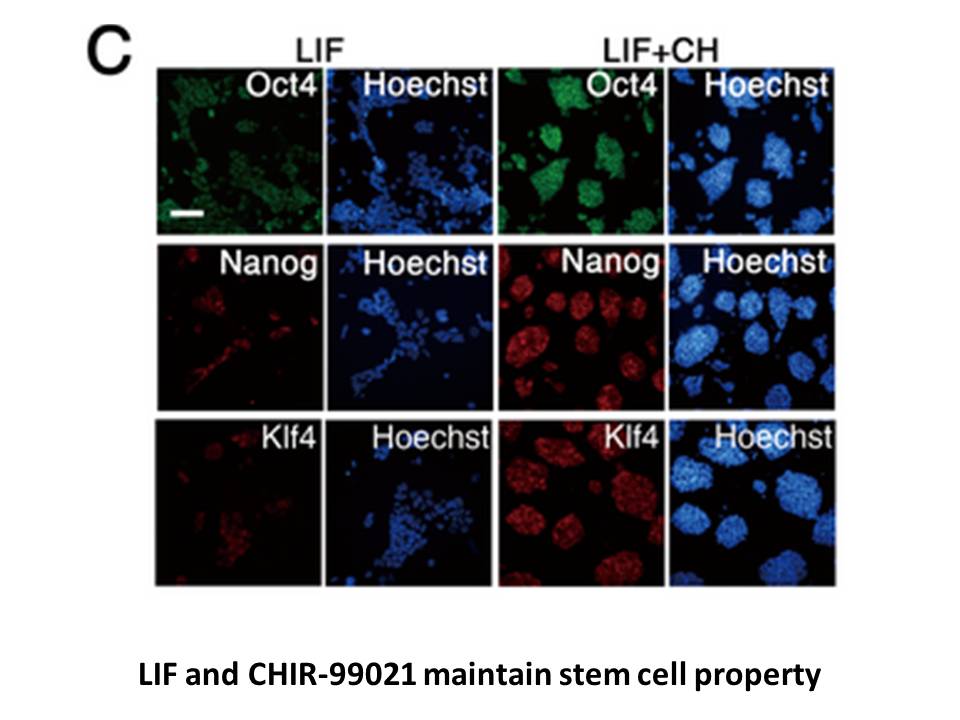
Funding This work was partially supported by the National Institute on Alcohol Abuse and Alcoholism, award R00AA021264, startup funds from the Department of Immunology, Herbert Wertheim College of Medicine, and the Office of Research and Economic Development at FIU, and pilot funds from Dr. Werth
-
The expression of heat shock
2021-10-13
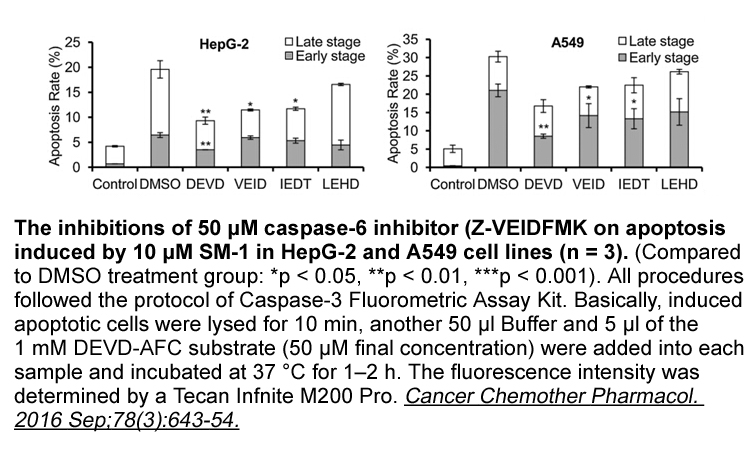
The expression of heat-shock proteins (HSPs) can be upregulated by viral infection, nutritional deficiency, TNF-α and oxidative stress in Busulfan [44], [45] HSPs are classified in six families (including the HSP10, HSP40, HSP60, HSP70, HSP90 and HSP100 families). HSP90 [46] for example provides a
-
The expression of GLUT receptors throughout the body could
2021-10-13
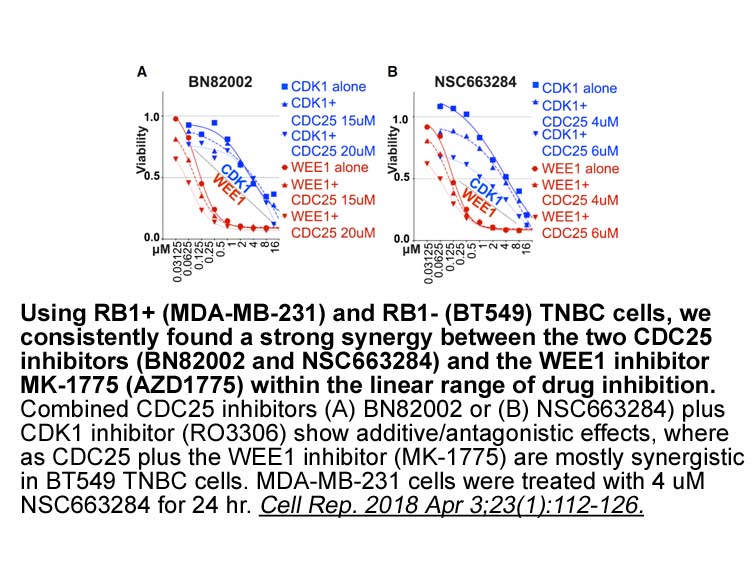
The expression of GLUT receptors throughout the body could be considered a potential source for off-target effects even for engineered glucose-conjugated nanomedicines, as there are at least 12 types of GLUT transporters in the body, including GLUT1 in erythrocytes and the blood-brain barrier, as we
16417 records 611/1095 page Previous Next First page 上5页 611612613614615 下5页 Last page