Archives
- 2026-06
- 2026-05
- 2026-04
- 2026-03
- 2026-02
- 2026-01
- 2025-12
- 2025-11
- 2025-10
- 2025-09
- 2025-03
- 2025-02
- 2025-01
- 2024-12
- 2024-11
- 2024-10
- 2024-09
- 2024-08
- 2024-07
- 2024-06
- 2024-05
- 2024-04
- 2024-03
- 2024-02
- 2024-01
- 2023-12
- 2023-11
- 2023-10
- 2023-09
- 2023-08
- 2023-07
- 2023-06
- 2023-05
- 2023-04
- 2023-03
- 2023-02
- 2023-01
- 2022-12
- 2022-11
- 2022-10
- 2022-09
- 2022-08
- 2022-07
- 2022-06
- 2022-05
- 2022-04
- 2022-03
- 2022-02
- 2022-01
- 2021-12
- 2021-11
- 2021-10
- 2021-09
- 2021-08
- 2021-07
- 2021-06
- 2021-05
- 2021-04
- 2021-03
- 2021-02
- 2021-01
- 2020-12
- 2020-11
- 2020-10
- 2020-09
- 2020-08
- 2020-07
- 2020-06
- 2020-05
- 2020-04
- 2020-03
- 2020-02
- 2020-01
- 2019-12
- 2019-11
- 2019-10
- 2019-09
- 2019-08
- 2019-07
- 2019-06
- 2019-05
- 2019-04
- 2018-07
-
Bacterial GluRS comes in two flavors discriminatory GluRS D
2021-10-28
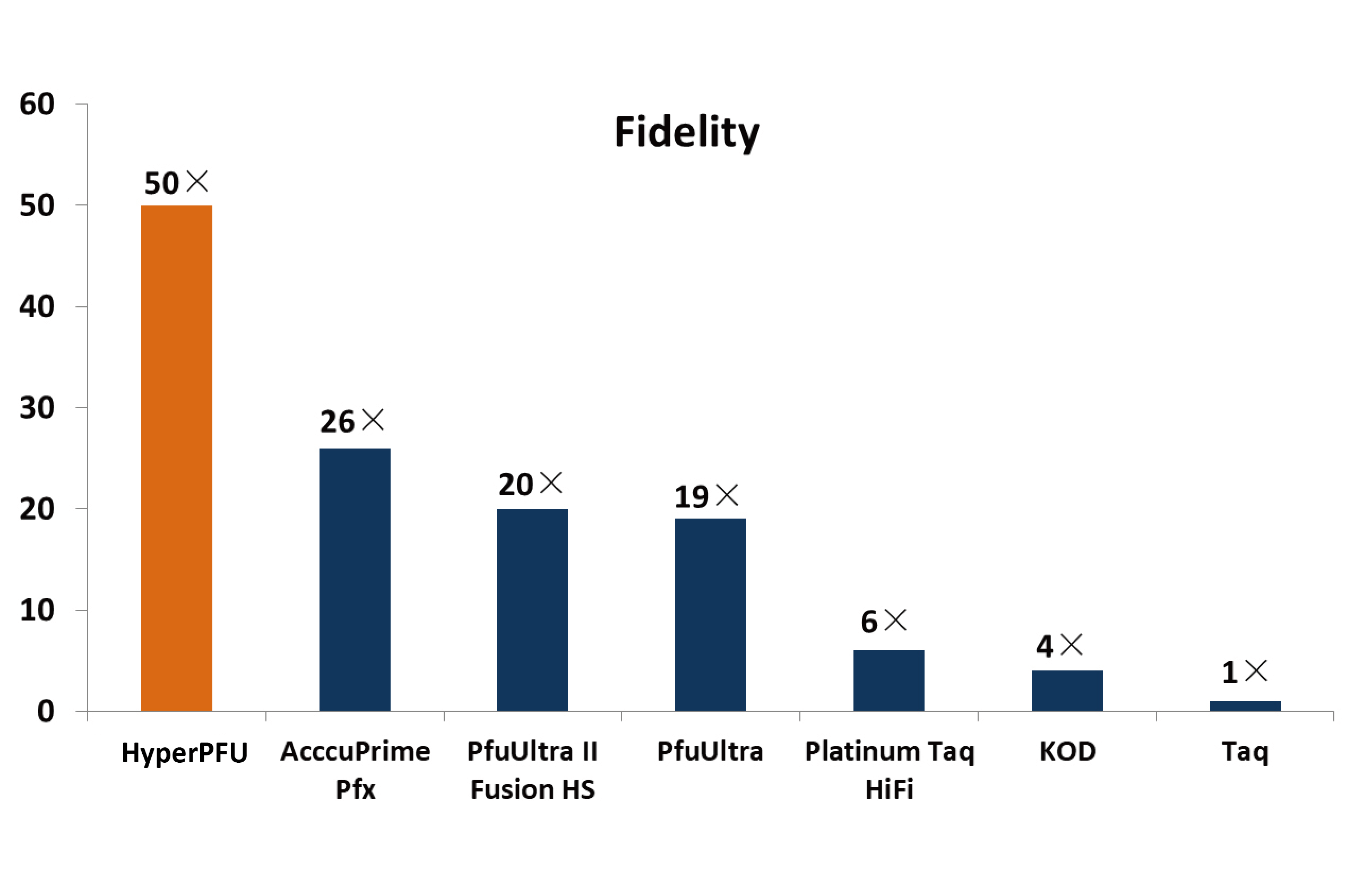
Bacterial GluRS comes in two flavors, discriminatory GluRS (D-GluRS) and non-discriminatory GluRS (ND-GluRS). While D-GluRS exclusively catalyses the transfer of Glu to tRNAGlu, the ND-GluRS can also glutamylate tRNAGln forming Glu-tRNAGln. The misacylated product is then transformed to Gln-tRNAGln
-
The widespread involvement of HH
2021-10-28
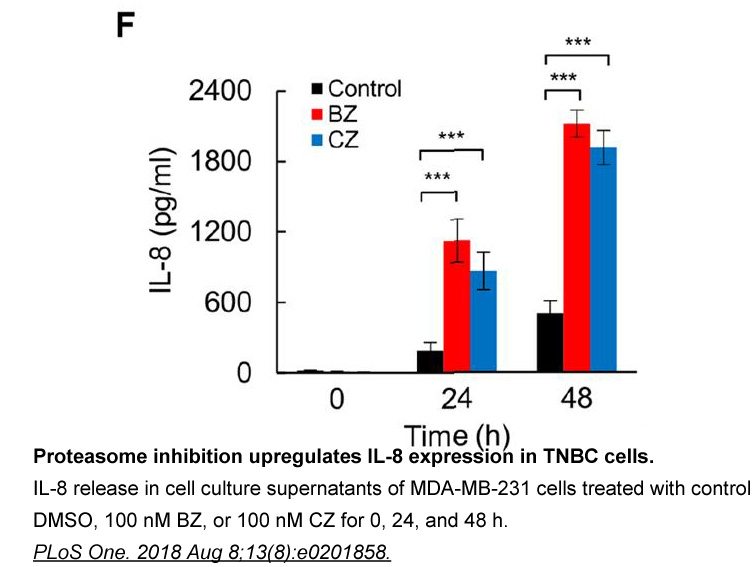
The widespread involvement of HH/GLI in human malignancies has initiated a remarkable effort to identify selective HPIs. As shown in Table 2.1, most of these small molecule inhibitors target the essential effector protein SMO, which should lead to pathway abrogation by eventually decreasing the GLIA
-
LXRs are physiological regulators of cholesterol and lipid
2021-10-28
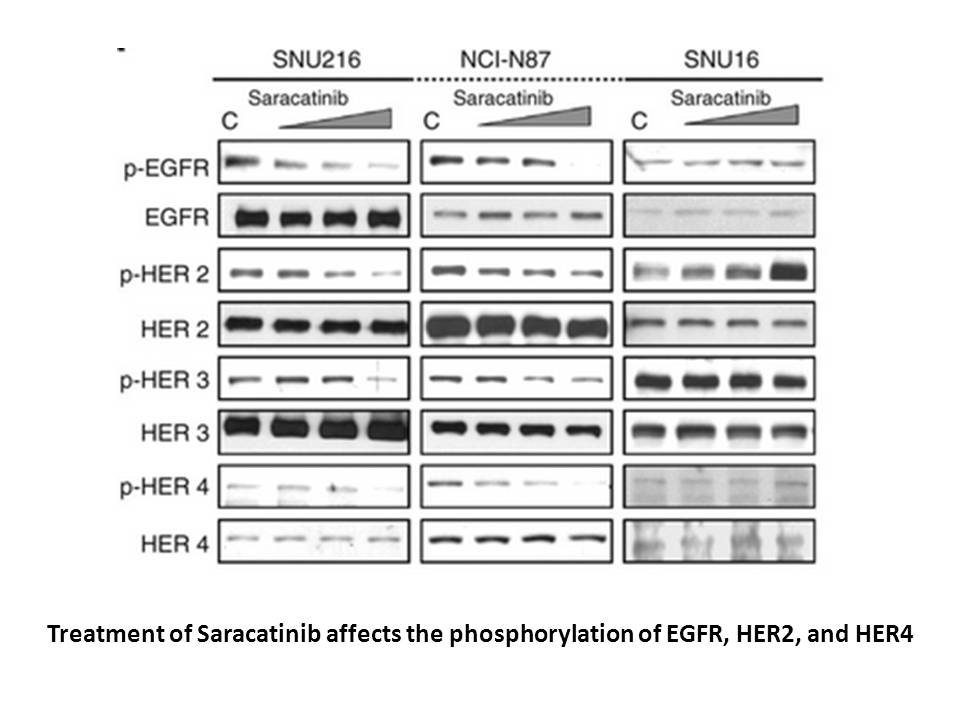
LXRs are physiological regulators of cholesterol and lipid metabolism and influence glucose metabolism. In addition, they have been shown to repress transcription of certain pro-inflammatory genes (Jakobsson et al., 2012; Ogawa et al., 2005; Terasaka et al., 2005). Thus, LXRs can either activate or
-
All of the abovementioned effects of PUFAs signal
2021-10-28
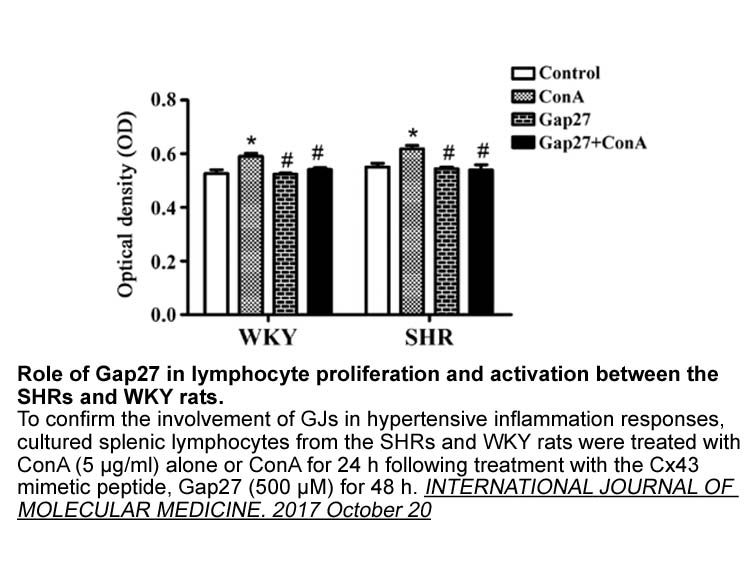
All of the abovementioned effects of PUFAs signal their involvement in a cellular phenotype switching phenomenon, which is increasingly recognized as a potential target for future pharmacotherapies of atherosclerosis, especially for individuals who do not respond to the classical lipid-lowering stra
-
Tunicamycin br Declaration of interest br
2021-10-28
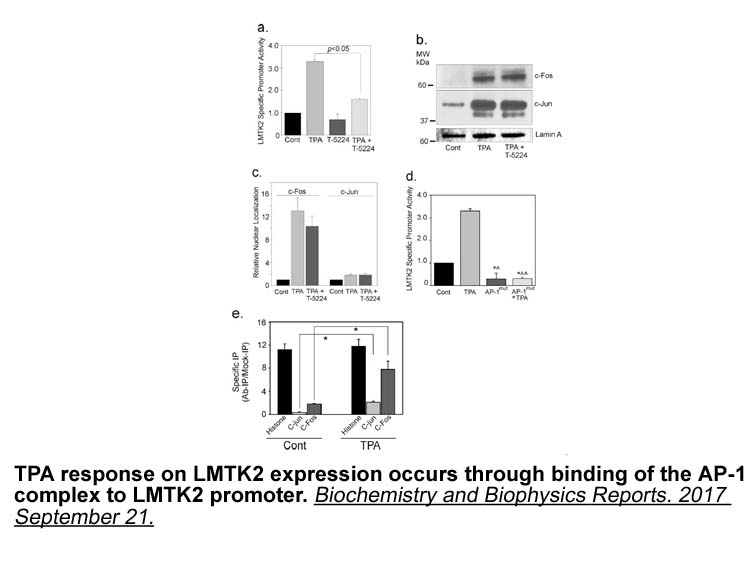
Declaration of interest Acknowledgments This work was supported by grants from the Polish National Science Centre (PRELUDIUM grant no. 2013/11/N/NZ5/00270) and the European Commission FP7 Project Beta-JUDO (grant number 279 153), European Union EIT Health project DeTecT2D, Swedish Diabetes A
-
Taken together our studies uncovered that the RP antibody
2021-10-28
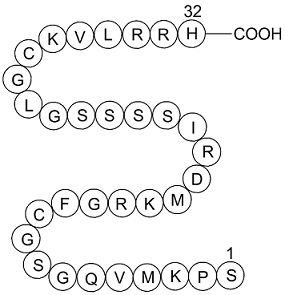
Taken together, our studies uncovered that the RP215 antibody recognize a novel CIgG molecule N-glycan modification at a non-consensus site within the CH1 domain expressed in LSCC tumors. RP215-CIgG interacts with the integrin α6β4 complex and the unique N-glycan epitope mediates the activation of d
-
adenosine monophosphate In order to establish proper folding
2021-10-28
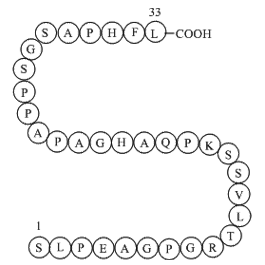
In order to establish proper folding and enzymatic activity, G9a and GLP methyltransferases each contain four structural zinc ions. Both adenosine monophosphate contain two distinguishable types of zinc fingers; three Zn(II) ions are chelated in a triangular cluster by 9 cysteines (b, top left), wh
-
To prevent toxicity of free hemoglobin as well as
2021-10-27
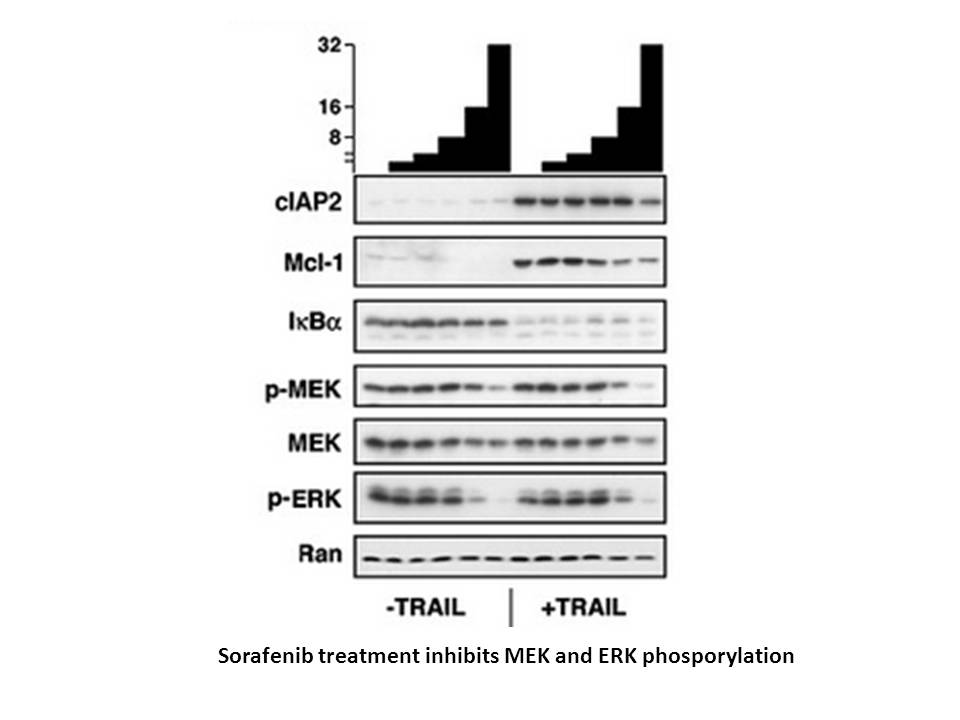
To prevent toxicity of free hemoglobin as well as its degradation metabolites heme and free iron, several scavenger proteins and degradation enzymes protect the body. Haptoglobin (Hp) is the most well described hemoglobin scavenging protein that binds free hemoglobin and transports it to macrophages
-
Because HIV does not infect neurons the neurotoxicity in HAN
2021-10-27

Because HIV does not infect neurons, the neurotoxicity in HAND is thought to result from the neuroinflammation evoked by the release of viral proteins and cytokines from infected microglia and macrophages (Ellis et al., 2007; Saylor et al., 2016). Viral tropism is determined by gp120 binding to CD4
-
The effects of GHS R a
2021-10-27
The effects of GHS-R1a blockade on alcohol-related outcomes have been examined in numerous preclinical experiments, utilizing various GHS-R1a antagonists (JMV 2959, [D-Lys3]-GHRP-6, BIM 28163) and rodent species (prairie vole, mouse, rat). In spite of methodological differences, the results consiste
-
No specific inhibitor of KCC has
2021-10-27
No specific inhibitor of KCC has progressed to clinical trials, however, although compounds like H74 were shown to specifically target KCC over the related Na+-K+-2Cl− cotransporter (NKCC) (Ellory et al., 1990). This molecule, or its related analogues, represent compounds of promise. Simple Mg supp
-
Single cell reverse transcriptase PCR on A mellifera antenna
2021-10-27
Single-cell reverse transcriptase-PCR on A. mellifera antennal lobe (AL) cells showed the expression of RDL as well as another GABA receptor like subunit, LCCH3 (Dupuis et al., 2010). Based on whole cell patch-clamp electrophysiology it was concluded that the predominant GABA receptors in AL cells a
-
A general synthesis of the tetrazole is shown in First
2021-10-27
A general synthesis of the tetrazole is shown in . First, a magnesium-halogen exchange reaction quenched with DMF afforded benzo[]thiophene-5-carbaldehyde , which was further decorated with a bromine at the 3-position (). A Suzuki reaction with -tolylboronic PF-03084014 receptor followed by reduct
-
One of the main mechanisms enabling recycling
2021-10-27
One of the main mechanisms enabling recycling of intracellular redox-active iron is lysosomal degradation of ferritin in the process of autophagy, often referred to as ‘ferritinophagy’ [128]. Autophagy was suggested to contribute to ferroptotic cell death by promoting the degradation of iron storage
-
Apoptosis via Fas FasL system has
2021-10-27

Apoptosis via Fas/FasL system has been evidenced to play a role in the pathogenesis of many diseases [26], [27], [28], [29], [30], [31], [32], [33], [34]. Along with these, Fas/FasL system has an important role in progressive renal disease and organ rejection in renal, cardiac and liver transplanta
16417 records 601/1095 page Previous Next First page 上5页 601602603604605 下5页 Last page