Archives
- 2026-10
- 2026-09
- 2026-08
- 2026-07
- 2026-06
- 2026-05
- 2026-04
- 2026-03
- 2026-02
- 2026-01
- 2025-12
- 2025-11
- 2025-10
- 2025-09
- 2025-03
- 2025-02
- 2025-01
- 2024-12
- 2024-11
- 2024-10
- 2024-09
- 2024-08
- 2024-07
- 2024-06
- 2024-05
- 2024-04
- 2024-03
- 2024-02
- 2024-01
- 2023-12
- 2023-11
- 2023-10
- 2023-09
- 2023-08
- 2023-07
- 2023-06
- 2023-05
- 2023-04
- 2023-03
- 2023-02
- 2023-01
- 2022-12
- 2022-11
- 2022-10
- 2022-09
- 2022-08
- 2022-07
- 2022-06
- 2022-05
- 2022-04
- 2022-03
- 2022-02
- 2022-01
-
btk inhibitor Sickle erythrocytes are known to have an incre
2022-03-09
Sickle erythrocytes are known to have an increased adhesion to endothelial btk inhibitor (Hebbel et al., 1980, Hebbel et al., 1981a, Hebbel et al., 1981b, Wautier et al., 1985, Mohandas and Evans, 1987). Understanding the events associated with vaso-occlusion requires a detailed knowledge of the in
-
To improve the preferential GalR binding we
2022-03-09
To improve the preferential GalR2 binding, we synthesized M1152 where the N-terminal Gly residue was deleted, in analogy with previously designed M871 (Sollenberg et al., 2006). In addition to the poor affinity of M871 for GalR1, a recent study showed that it also hardly recognized by GalR3 (Sollenb
-
prostaglandin synthase Gal is a amino acid residue
2022-03-09
Gal is a 29-amino prostaglandin synthase residue peptide, comprising 30 amino acids in humans, isolated from the porcine intestine 30 years ago (Tatemoto et al., 1983). It has been shown to be involved in the regulation of numerous processes, including neuroendocrine control of systems such as the
-
br Acknowledgments Work in SI s laboratory
2022-03-08
Acknowledgments Work in SI’s laboratory is supported by grant IM 20/4-1 from the Deutsche Forschungsgemeinschaft, Bonn (Germany) and grant EKFS 2012_A309 from the Else Kröner Fresenius Stiftung, Bad Homburg (Germany). FW’s group is supported by the Dr Vaillant Foundation and the Dutch Burns Found
-
The number of small molecule GSK inhibitors is continuously
2022-03-08
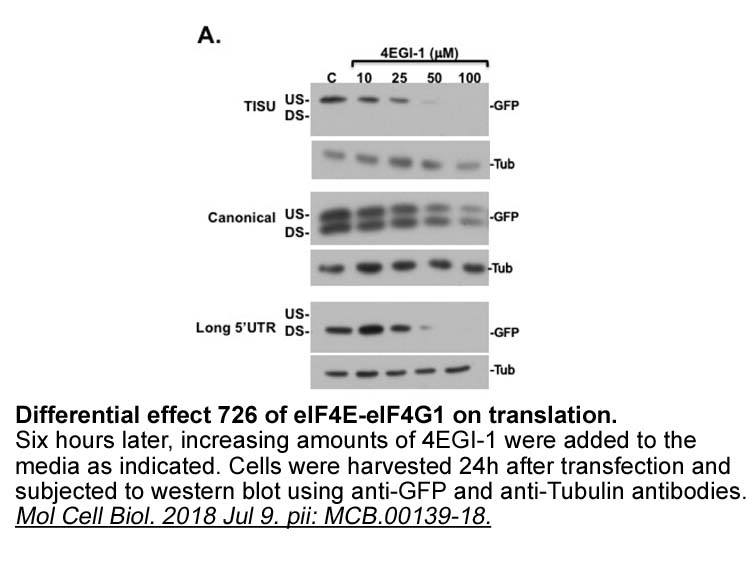
The number of small molecule GSK-3 inhibitors is continuously rising and many have been tested in animals. These studies have provided additional support for specific roles of GSK-3 in neuronal functions under both normal and pathological conditions. Inhibition of GSK-3 has profound effect on neurop
-
Fenofibrate The lactic acid receptor HCA is primarily expres
2022-03-08

The lactic Fenofibrate receptor HCA1 is primarily expressed in white and brown adipocytes 11, 12, 17, 18 (Table 1). Only relatively low expression levels of HCA1 have been described in several other tissues 16, 19, and it is not clear whether this is due to the presence of adipocytes in these tissue
-
br Material and methods br Results The search for
2022-03-08
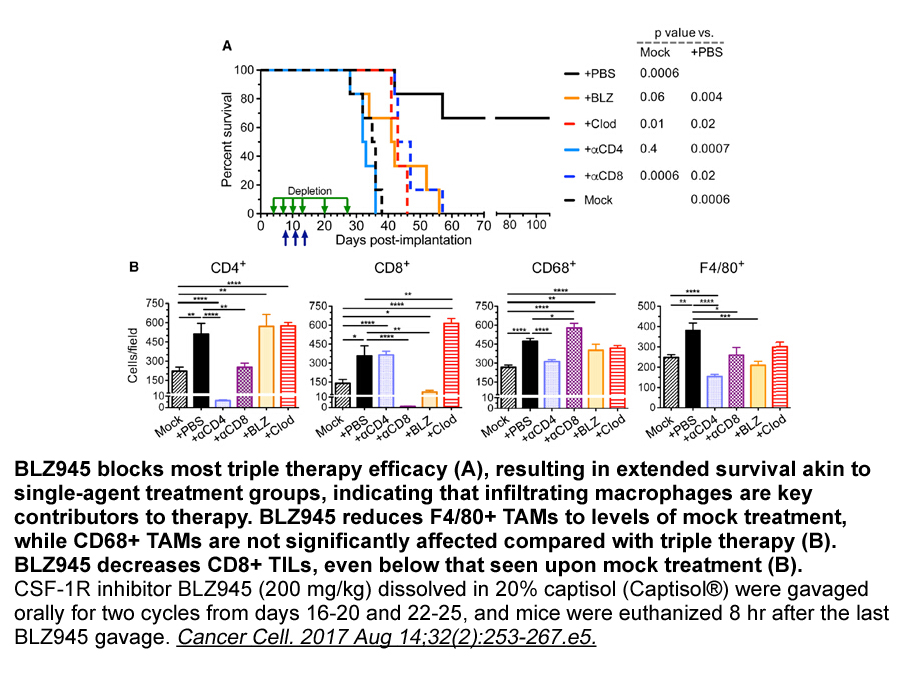
Material and methods Results The search for proteins selectively expressed in pancreatic islet VU590 hydrochloride sale in the Human Protein Atlas (HPA) yielded 27 hits, including well-known islet cell markers such as insulin, glucagon and pancreatic polypeptide (Table 1). The search algorithm
-
Since KYNA concentrations are increased by aerobic exercise
2022-03-08
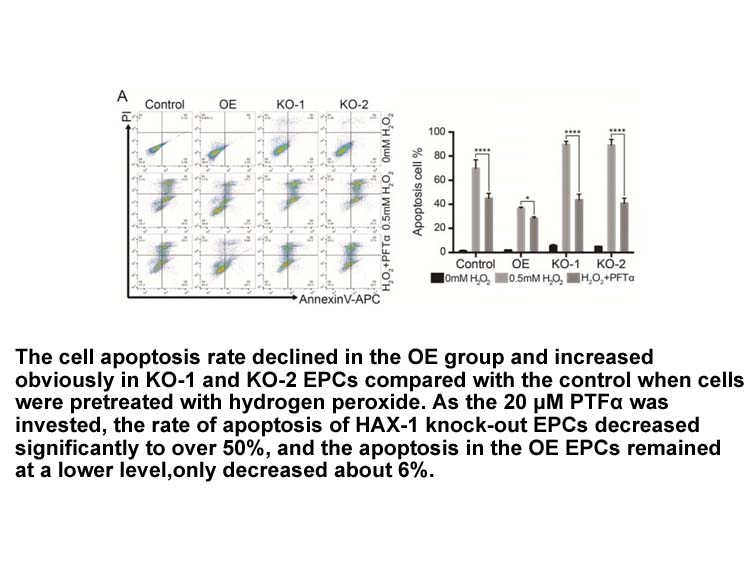
Since KYNA concentrations are increased by aerobic exercise training, we have investigated if it plays a role in peripheral tissue metabolism. Here we show that KYNA regulates adipose tissue energy homeostasis through activation of Gpr35. Activation of this network stimulates the expression of lipid
-
Acknowledgments We would like to
2022-03-08

Acknowledgments We would like to thank Dr. Greg Morriello, Mr. Lehua Chang, Mr. Chris Moyes and Mr. Nam Fung Kar for intermediate 3 syntheses. Cheng Zhu would like to thank Dr. Milana Maletic, Mr. Kake Zhao and Mrs. Wanying Sun for helpful discussions. Introduction Glucagon-like peptide-1 (GLP-
-
br Discussion CHO K cell
2022-03-08
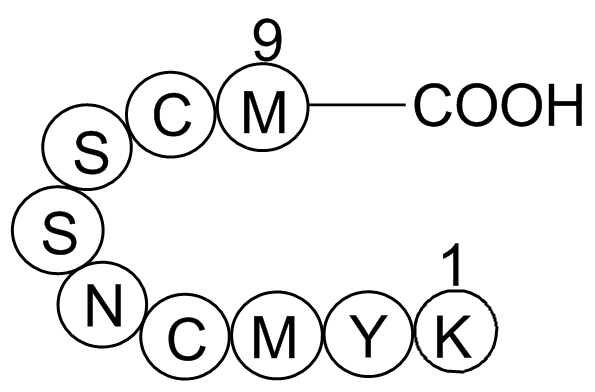
Discussion CHO-K1 cell lines stably expressing each of the NH2-terminal isoforms of the human glycine reuptake transporter GlyT1 have been developed. GlyT1 uptake assays have been validated for two lines for each isoform, one low and high expressor. Expression levels in the lines have been confir
-
Also considered very rare is progressive encephalomyelitis w
2022-03-08
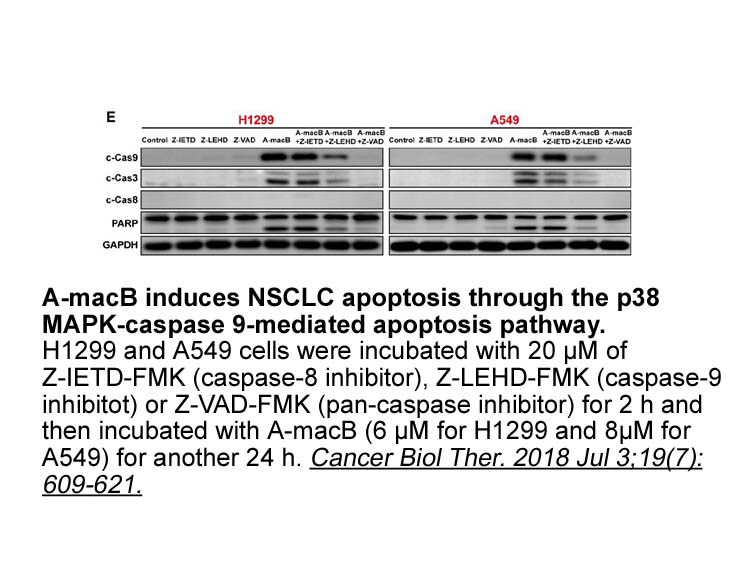
Also considered very rare is progressive encephalomyelitis with rigidity and myoclonus (PERM); sometimes called Stiff Person Syndrome Plus (SPS Plus) and with antibodies to glutamic egfr pathway decarboxylase (GAD). However, PERM is now increasingly found with glycine receptor antibodies (GlyR-Ab),
-
br Vesicular glutamate transporters VGLUTs br Conclusions Du
2022-03-08
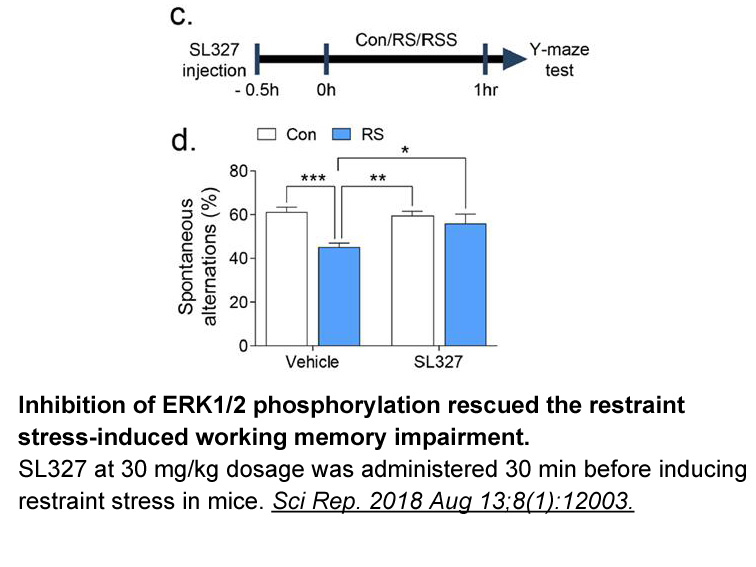
Vesicular glutamate transporters (VGLUTs) Conclusions Due to the molecular cloning of EAAT and VGLUT subtypes, a better understanding of the functional properties of these carriers has been elucidated over the last few years. In the case of the EAATs, specific blockers, such as trans-2,4-PDC,
-
Na K ATPase adenosine triphosphate ATP and astrocytic glutam
2022-03-08
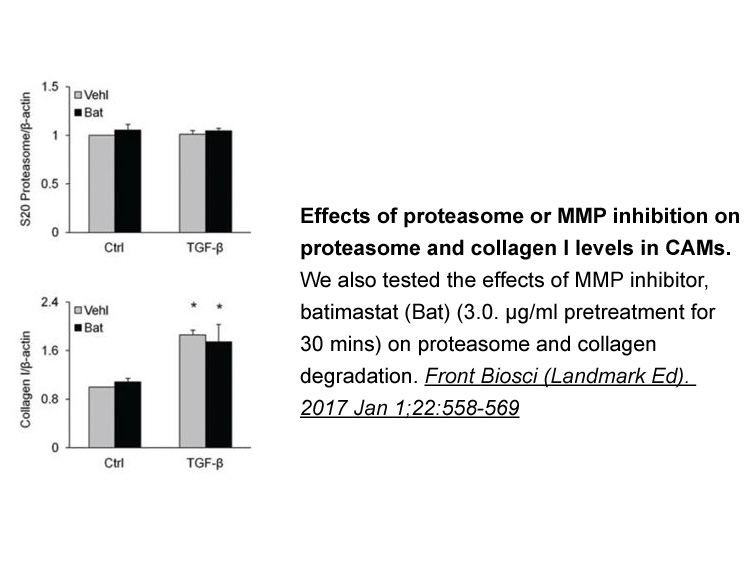
Na+/K+-ATPase, atm inhibitor and astrocytic glutamate transporters act together to maintain sodium and potassium gradients and the proper activities of EAAT1 and EAAT2 (Rose et al., 2009; Sheean et al., 2013); nevertheless, in present study, Na+/K+-ATPase activity was shown to be increased as from
-
Because AM had limited efficacy
2022-03-08
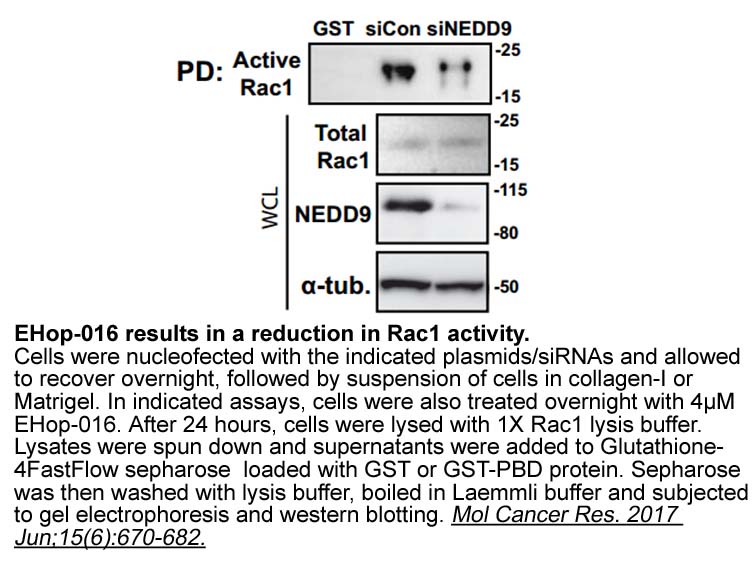
Because (AM-3189) had limited efficacy on rodent GPR40, we used two rodent models expressing human GPR40 to demonstrate efficacy of (AM-3189). First, we used human islet transplanted nude mice. In this model, endogenous pancreatic β-cells were ablated using streptozotocin, and mice were rescued to
-
It was previously proposed that glucagon acts in the liver
2022-03-08
It was previously proposed that glucagon acts in the liver, in which a signal is produced and relayed to the b ng receptor via vagal nerves [8], [36], [37]. The concept that the liver is the primary target site was supported by the studies reporting that the glucagon receptor is localized in the li
8568 records 535/572 page Previous Next First page 上5页 531532533534535 下5页 Last page