Archives
- 2026-10
- 2026-09
- 2026-08
- 2026-07
- 2026-06
- 2026-05
- 2026-04
- 2026-03
- 2026-02
- 2026-01
- 2025-12
- 2025-11
- 2025-10
- 2025-09
- 2025-03
- 2025-02
- 2025-01
- 2024-12
- 2024-11
- 2024-10
- 2024-09
- 2024-08
- 2024-07
- 2024-06
- 2024-05
- 2024-04
- 2024-03
- 2024-02
- 2024-01
- 2023-12
- 2023-11
- 2023-10
- 2023-09
- 2023-08
- 2023-07
- 2023-06
- 2023-05
- 2023-04
- 2023-03
- 2023-02
- 2023-01
- 2022-12
- 2022-11
- 2022-10
- 2022-09
- 2022-08
- 2022-07
- 2022-06
- 2022-05
- 2022-04
- 2022-03
- 2022-02
- 2022-01
-
In order to postulate its binding mode
2024-01-04
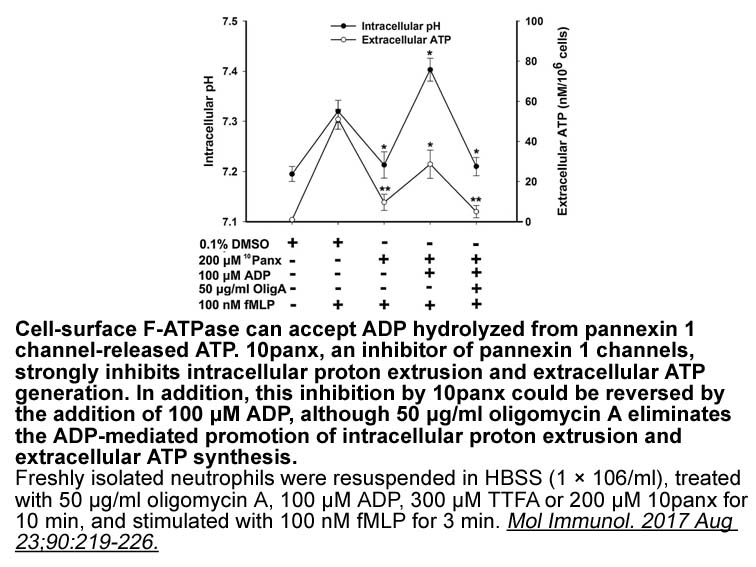
In order to postulate its binding mode in APN, Imiloxan hydrochloride 13v was docked into the active site of APN (PDB code: 2DQM) using Sybyl_X 1.3. As illustrated in Fig. 5A, the catalytic zinc ion of APN was chelated by the hydroxamate moiety of 13v, and the S1, S1′ and S2′ pockets of APN were occ
-
Recent genome wide association studies have indicated
2024-01-04

Recent genome-wide association studies have indicated SORL1 as a risk factor for AD (Meng et al., 2007, Rogaeva et al., 2007, Wen et al., 2013). SORL1, is expressed in neurons (Yin et al., 2015) and also regulates APP traffic from the cell membrane to the Golgi apparatus. A reduction in its expressi
-
In conclusion our study would
2024-01-04
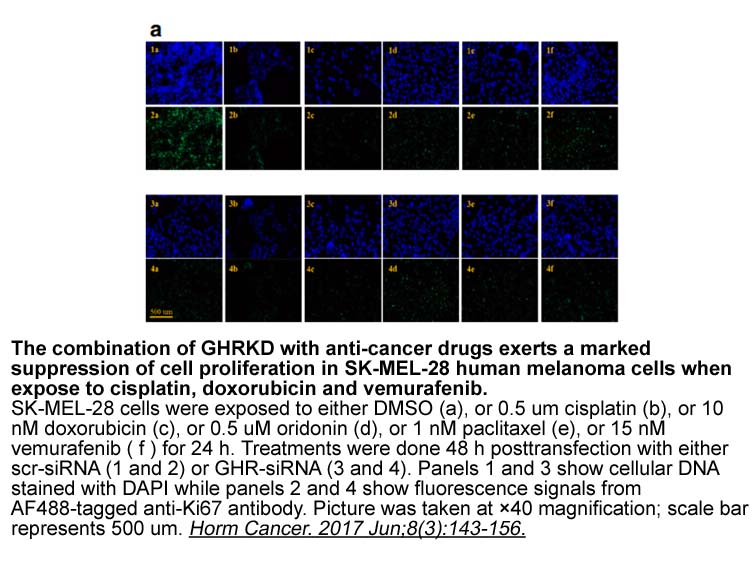
In conclusion, our study would seem to indicate that a hydrophilic microenvironment, which is suitable to accommodate highly hydrophilic molecules with steric hindrance such as aldose hemiacetals, allows the enzyme modulation by one of its most important physiopathological substrates. It is difficul
-
In this article we have outlined the increasing as
2024-01-04

In this article, we have outlined the increasing, as yet still circumstantial evidence that the 6TM domains of bacterial ACs might operate as receptors for as yet unknown ligands. Intriguingly, several architectural arguments are also applicable to the 6TM domains of mammalian membrane-bound ACs (mA
-
acetylcholine inhibitors AdipoRon is an orally active synthe
2024-01-04
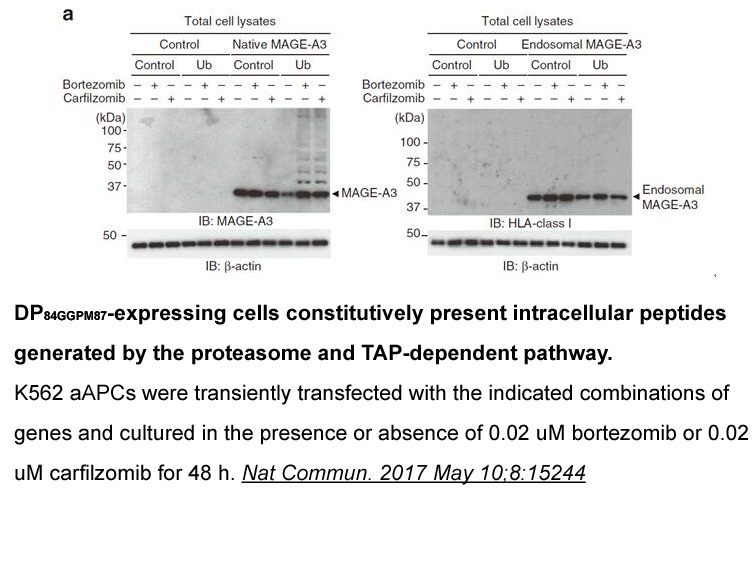
AdipoRon is an orally active, synthetic small molecule that activates adiponectin receptor (AdipoR). It mimics the antidiabetic effects of adiponectin, exhibiting its effect through the activation of AMPK and PPARα pathways via AdipoR1 and AdipoR2, respectively (Fig. 2) [62]. AdipoR activation has r
-
For both the hydroxylation and lyase reactions the heme iron
2024-01-04
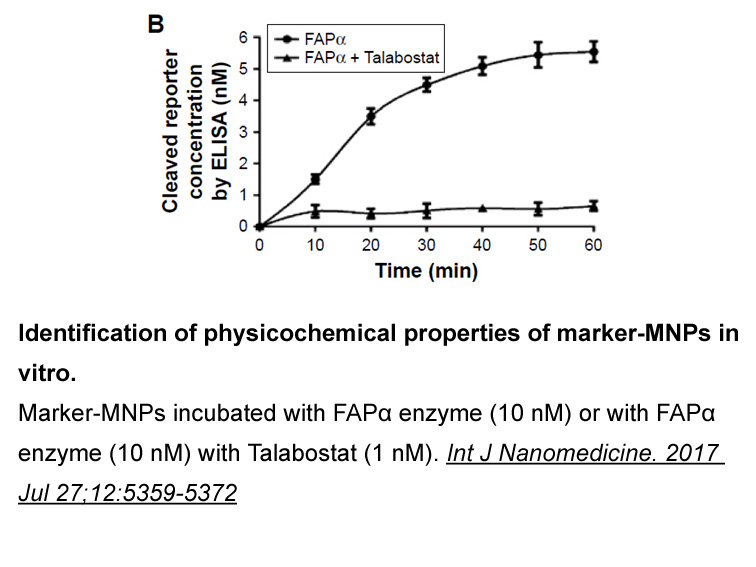
For both, the 17α-hydroxylation and 17, 20-lyase reactions, the heme iron center of P450 17A1 receives electron reducing equivalents from CPR. Both reactions require one pair of electrons and molecular oxygen for the conversion of the substrate into product in each catalytic cycle. However, the 17,2
-
Introduction Lipoxygenases LOXs are key enzymes that catalyz
2024-01-03
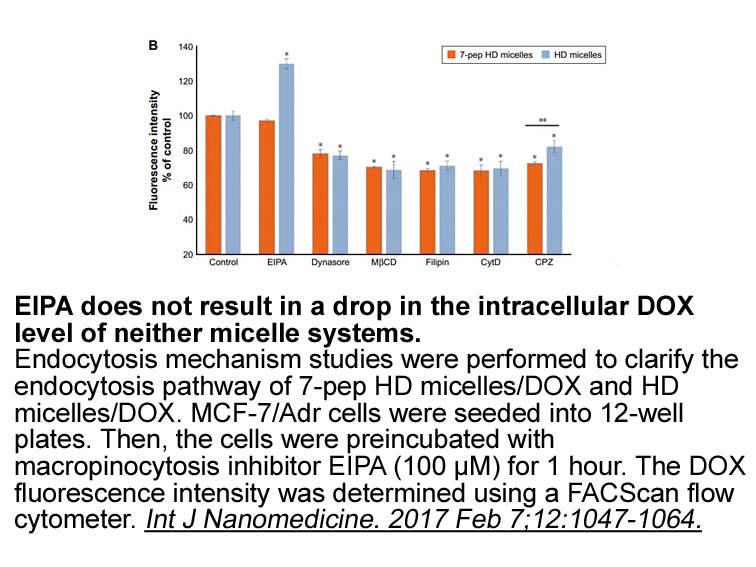
Introduction Lipoxygenases (LOXs) are key enzymes that catalyze the polyunsaturated fatty acids (PUFAs) such as arachidic Laminin 925-933 mg (AA), linoleic acid (LA) and others unsaturated fatty acids (Brash, 1999). LOXs are expressed in immune, neural, epithelial, tumor cells and other cells (Cla
-
Additionally we used the predicted
2024-01-03
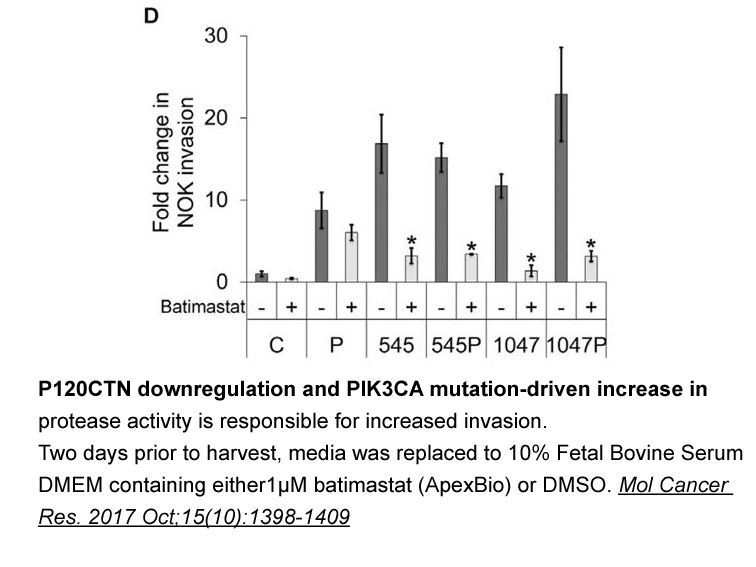
Additionally, we used the predicted Cyp19a1b amino estrogen antagonist mg sequence from a number of bony fish species to infer their genetic relatedness and found that R. quelen occupies an ancient position within the Siluriformes group. A phylogenetic tree was constructed and it included both full
-
There are several AP binding sites in
2024-01-03

There are several AP-1 transcription factors in the sequence of TIMP-1 promoter [18,19]. EBV could up-regulate TIMP-1 expression by binding to the AP-1 site in the TIMP-1 promoter [18]. IL-32, a newly multi-function cytokine, could activate AP-1, NF-κβ, p38MAPK signal pathways, and induce cytokine
-
br Acknowledgements This work was supported in part by
2024-01-03
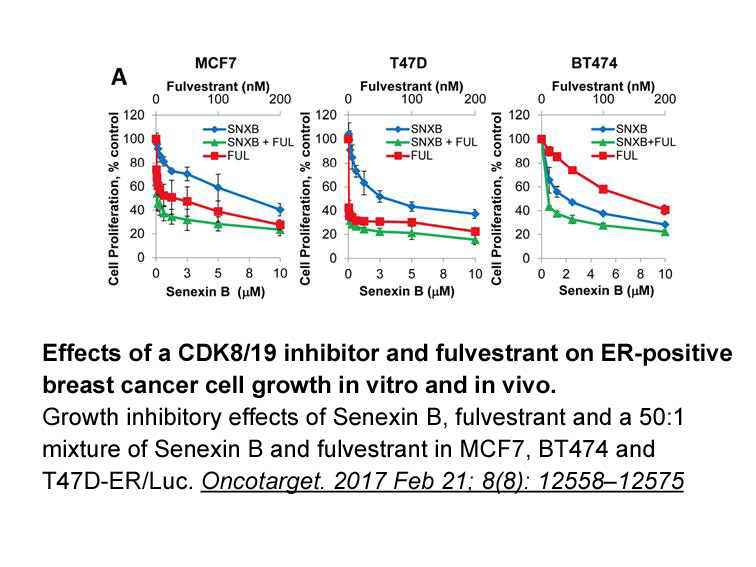
Acknowledgements This work was supported, in part, by NIH grant R01-GM071760. Introduction The MADS box genes encode a eukaryotic family of transcriptional regulators involved in diverse and important biological functions. This class of proteins has been identified in yeasts, plants, insects,
-
It has been proposed that a PrP pathogenic mechanism
2024-01-03
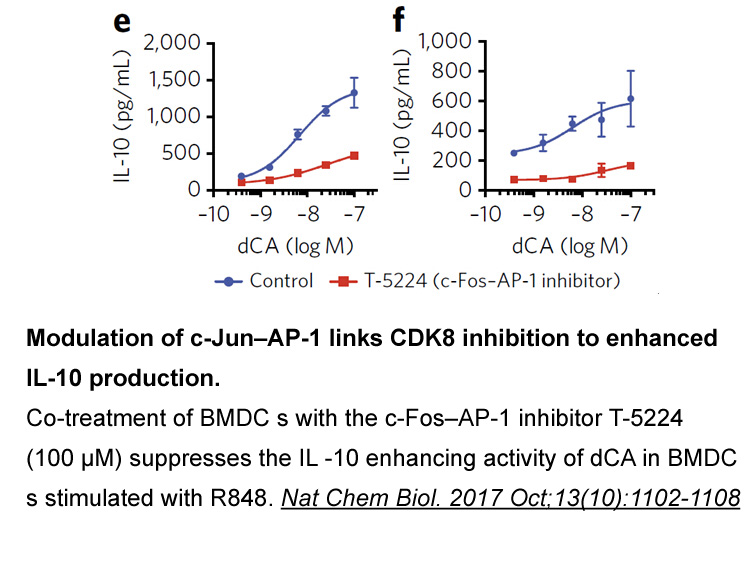
It has been proposed that a PrP pathogenic mechanism is a toxic gain of function secondary to the misfolding of mutated PrP. However, such a mechanism might not apply to all mutant PrP species, since some mutations had little effect on the stability and folding kinetics of PrP (Swietnicki et al., 19
-
During the course of angiogenesis the overactivated angiogen
2024-01-03

During the course of angiogenesis, the overactivated angiogenic stimulators are responsible for carrying out abnormal proliferation in the retinal microvasculature, resulting in the formation of various immature blood vessels. These newly formed blood vessels become the prime spots for leakage of th
-
The A b action occurs in conditions where high
2024-01-03
The A2b action occurs in conditions where high concentrations of adenosine is generated, so its blockage does not interfere with other physiological processes mediated by adenosine and others AR [105]. Furthermore the A3 receptor was shown to have pro-apoptotic effects on tumor lines of breast, lung
-
The second evidence comes from the
2024-01-03
The second evidence comes from the results obtained by patch-clamp recordings carried out at the endplate region of isolated mouse FDB fibers, where adenosine and the P1R agonist NECA significantly affected the NPo, the open frequency and the time constant τ of the adult nAChR channels. It is genera
-
Moreover our present work suggests
2024-01-02
Moreover, our present work suggests that AXL could be a modulator of sunitinib response, at least for cell lines that present high endogenous levels of this RTK activation, since we observed an increased responsiveness to sunitinib in mtor activated with AXL receptor ligand. A role for AXL in molec
8572 records 261/572 page Previous Next First page 上5页 261262263264265 下5页 Last page