Archives
- 2026-10
- 2026-09
- 2026-08
- 2026-07
- 2026-06
- 2026-05
- 2026-04
- 2026-03
- 2026-02
- 2026-01
- 2025-12
- 2025-11
- 2025-10
- 2025-09
- 2025-03
- 2025-02
- 2025-01
- 2024-12
- 2024-11
- 2024-10
- 2024-09
- 2024-08
- 2024-07
- 2024-06
- 2024-05
- 2024-04
- 2024-03
- 2024-02
- 2024-01
- 2023-12
- 2023-11
- 2023-10
- 2023-09
- 2023-08
- 2023-07
- 2023-06
- 2023-05
- 2023-04
- 2023-03
- 2023-02
- 2023-01
- 2022-12
- 2022-11
- 2022-10
- 2022-09
- 2022-08
- 2022-07
- 2022-06
- 2022-05
- 2022-04
- 2022-03
- 2022-02
- 2022-01
-
br Alzheimer s disease AD is an irreversible age
2024-05-07
Alzheimer’s disease (AD) is an irreversible, age-associated neurodegenerative disorder that is characterized by progressive memory loss and cognitive decline. AD is also the leading cause of dementia, accounting for 5 million cases in the United States and 44 million cases worldwide. In 2015, AD
-
The complex role of the human
2024-05-07
The complex role of the human intestinal microbiota is emerging and its functions has been elucidated when considering energy metabolism, nutrient digestion, vitamin synthesis, epithelial defenses and immune responses [34]. The colon is responsible for salvage of energy and possibly nitrogen from ca
-
The proposed formulation is however challenging to solve sin
2024-05-07
The proposed formulation is, however, challenging to solve since the structured sparsity-inducing norms are non-smooth. In order to solve the new objective function, we consider two different approaches: proximal averaging, which takes the average the solutions from the proximal operator for the ind
-
Introduction Aldose reductase ALR is the first enzyme of the
2024-05-07
Introduction Aldose reductase (ALR2) is the first enzyme of the polyol pathway that catalyzes the reduction of glucose to sorbitol utilizing NADPH as a cofactor. The intracellular accumulation of sorbitol, due to increased aldose reductase activity at high blood glucose levels, such as those occurr
-
emca HsALDH enzyme has been purified for the first time
2024-05-07
HsALDH enzyme has been purified for the first time in our laboratory from human saliva and has been kinetically characterized using different aromatic substrates [35]. Also, the effect of some common substances frequently encountered by the enzyme in the oral cavity (such as ethanol, hydrogen peroxi
-
This study revealed that EAAT expression was increased
2024-05-07
This study revealed that EAAT2 r78 mg was increased 4–8 weeks after cauterization as our previous work (Park et al., 2009). RGC death could not be blocked despite activation of EAAT2, which is one of glutamate transporters in cone photoreceptors and some bipolar cells, in chronic ocular hypertensio
-
Since natural and recombinant glycoprotein hormones exhibit
2024-05-07
Since natural and recombinant glycoprotein hormones exhibit some differences in their carbohydrate structures, we checked whether this could affect the permissive effect on FSK-induced cyclic AMP response in MLTC-1 cells. Fig. 6 shows that the same sensitizing effect to FSK is observed with pituitar
-
br Co http www apexbt
2024-05-06
Conclusions This paper is the first meta-analysis about the association between SRD5A2 V89L polymorphism and hypospadias risk. The results of this meta-analysis have revealed that V89L polymorphism definitely increases the risk of hypospadias, and the C allele is a genetic risk factor for hypospa
-
For the TSH receptor signaling at the Golgi
2024-05-06
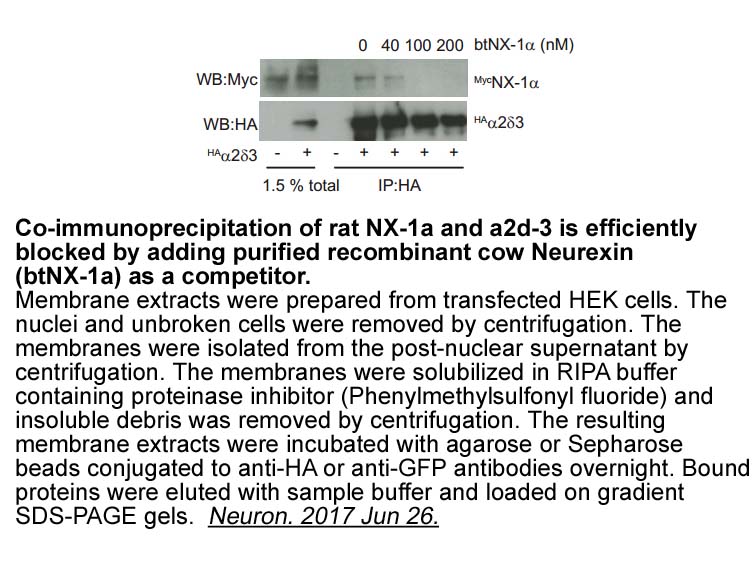
For the TSH receptor, signaling at the Golgi/trans-Golgi network appears required for both rapid effects of TSH − such as cyproheptadine hcl australia depolymerization, which is implicated in thyroglobulin reuptake and, thus, thyroid hormone release − and late ones, such as those on gene transcript
-
mu receptor antagonist br Material and methods br
2024-05-06
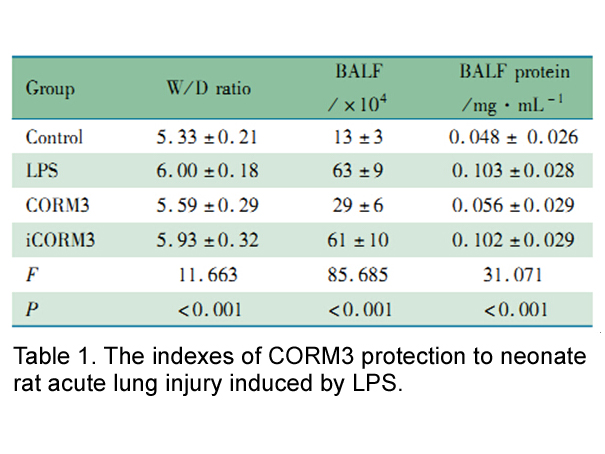
Material and methods Results Discussion The present study demonstrates for the first time that Mino selectively induces apoptosis in Jurkat mu receptor antagonist via an H2O2 signaling-dependent mechanism. Structurally, Mino is composed of a C10 and C12 phenol group, C12a hydroxyl group, a
-
br Conflict of interest br Acknowledgment The authors gratef
2024-05-06
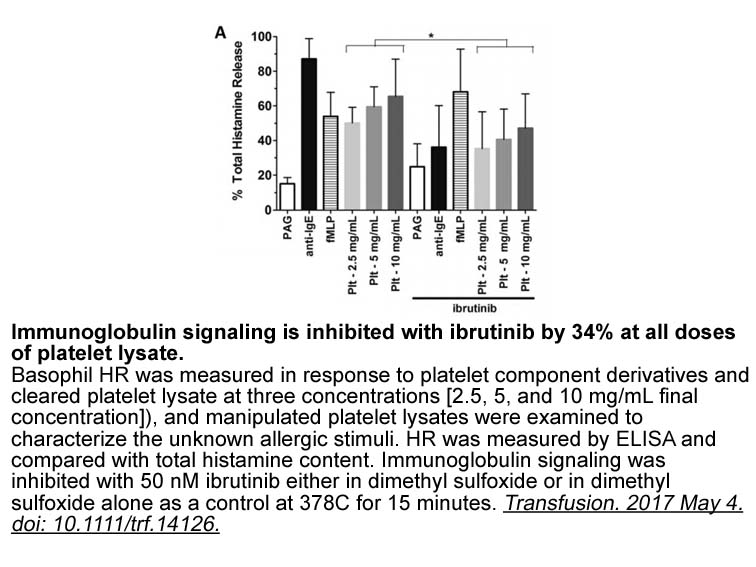
Conflict of interest Acknowledgment The authors gratefully acknowledge the financial support from the National Natural Sciences Foundation of China (81070220 and 81170278), and the Aid Program for Science and Technology Innovative Research Team in Higher Educational Institutions of Human Provi
-
We next considered the effect of
2024-05-06
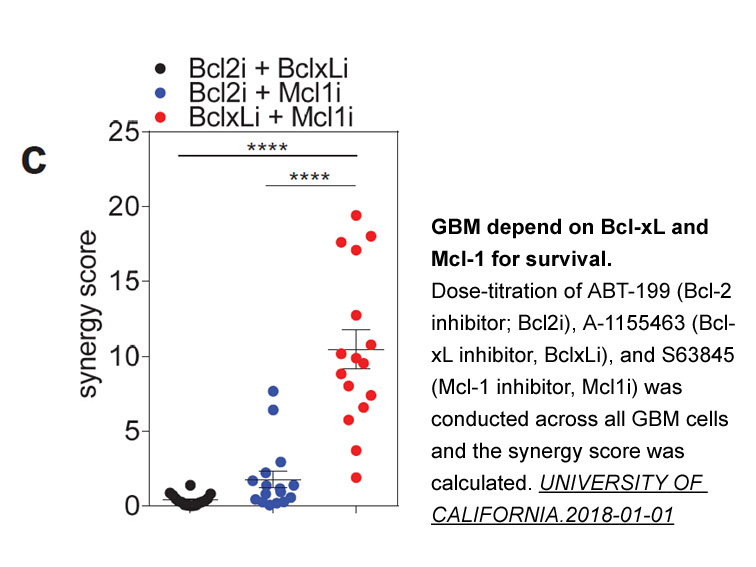
We next considered the effect of alkyl chain length on the inhibitory activity. As can be seen from , it is obvious that there is no proportional relationship between the methylene chain length and activity. The activity decreased when the chain length increased from 1 to 3 and increased with elonga
-
br Conclusions The present data suggest that
2024-05-06
Conclusions The present data suggest that homeostatic balance of the cortical/hippocampal adenosinergic tone is necessary for normal working memory function and any deviation appears to impair performance – either as a consequence of A2AR under-activation when adenosine levels are reduced or due
-
br Materials and methods br Results
2024-05-03
Materials and methods Results and discussion Conclusion Amino-functionalized mesoporous TiO2-NH2 microparticles were used to immobilize ADA, followed by GLU cross-linking. The mesopores provided a natural microenvironment with sufficient room for the enzyme to efficiently perform its cataly
-
In conclusion the partial sequencing and
2024-05-03
In conclusion, the partial sequencing and characterization of R. quelen cyp19a1b provides essential information about this gene and its presence in peripheral tissues outside of the central nervous system in a teleost. Furthermore, we covered sex differences in the effects of E2 on the cyp19a1b gene
8573 records 196/572 page Previous Next First page 上5页 196197198199200 下5页 Last page