Archives
- 2026-10
- 2026-09
- 2026-08
- 2026-07
- 2026-06
- 2026-05
- 2026-04
- 2026-03
- 2026-02
- 2026-01
- 2025-12
- 2025-11
- 2025-10
- 2025-09
- 2025-03
- 2025-02
- 2025-01
- 2024-12
- 2024-11
- 2024-10
- 2024-09
- 2024-08
- 2024-07
- 2024-06
- 2024-05
- 2024-04
- 2024-03
- 2024-02
- 2024-01
- 2023-12
- 2023-11
- 2023-10
- 2023-09
- 2023-08
- 2023-07
- 2023-06
- 2023-05
- 2023-04
- 2023-03
- 2023-02
- 2023-01
- 2022-12
- 2022-11
- 2022-10
- 2022-09
- 2022-08
- 2022-07
- 2022-06
- 2022-05
- 2022-04
- 2022-03
- 2022-02
- 2022-01
-
Vortioxetine is a multimodal antidepressant that acts as an
2024-05-17

Vortioxetine is a multimodal antidepressant that acts as an inhibitor at the serotonin (5-HT) transporter (SERT), an agonist at 5-HT1A receptors, a partial agonist at 5-HT1B receptors, and an antagonist at 5-HT1D, 5-HT3 and 5-HT7 receptors (Bang-Andersen et al., 2011, Sanchez et al., 2015). Based on
-
br Conflict of interest br Acknowledgments br Introduction I
2024-05-17
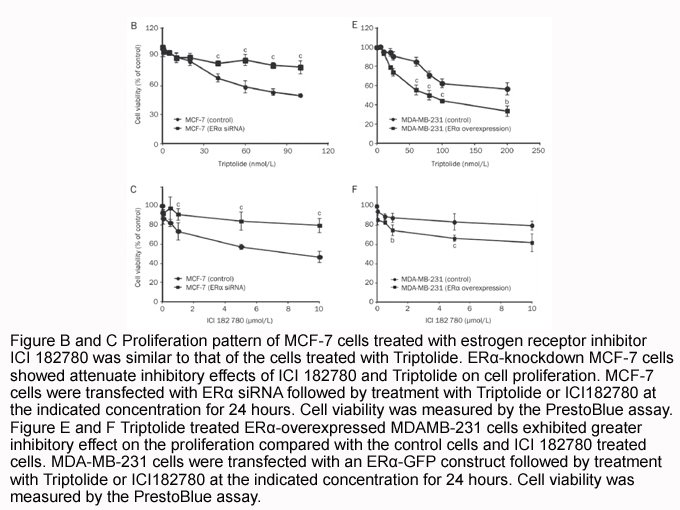
Conflict of interest Acknowledgments Introduction Inflammation is a protective response of the microcirculation to harmful stimuli. Yet, excessive inflammation is potentially harmful and a characteristic of many chronic diseases [1]. 5-Lipoxygenase (5-LO, EC1.13.11.34) contributes to the in
-
br Introduction Nausea and vomiting
2024-05-17
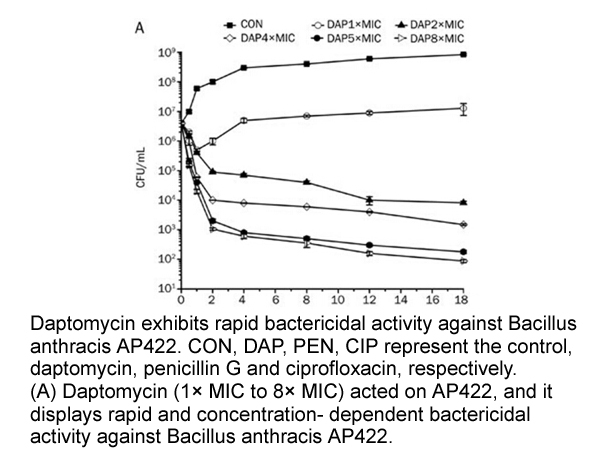
Introduction Nausea and vomiting are among the most distressing side effects associated with chemotherapy in cancer patients (Billio et al., 2010). Severe emesis can negatively affect a patient's nutritional state, ability to work and motivation, which can, in turn, interfere with the clinical co
-
br Acknowledgments br Introduction Hypospadias is a common
2024-05-17
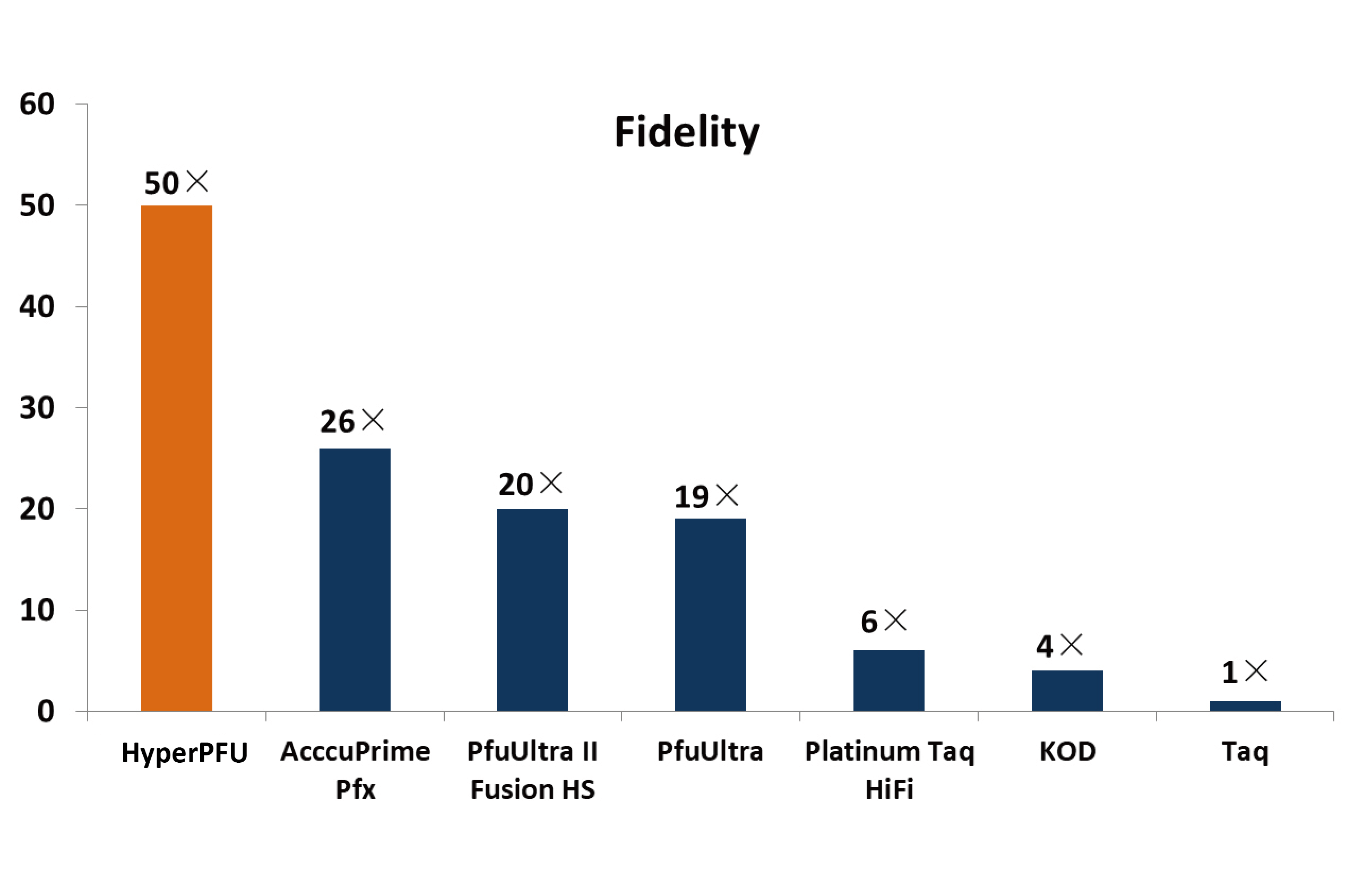
Acknowledgments Introduction Hypospadias is a common congenital malformation in males, in which the urethral orifice is found on the ventral side of the penis as a result of incomplete fusion of urethral folds. The mean prevalence in per 10,000 live births from 1910 to 2013 were: Europe 19.9,
-
LY335979 A role for YAP in
2024-05-17

A role for YAP in mediating resistance to EGFR inhibition has also been described [28], [29]. In line with these evidences, we observed increased YAP activation in all the generated EGFR TKI–resistant cells, testified by decreased phosphorylation on the inhibitory serine 127, enhanced nuclear locali
-
What can we learn about the anticancer
2024-05-16
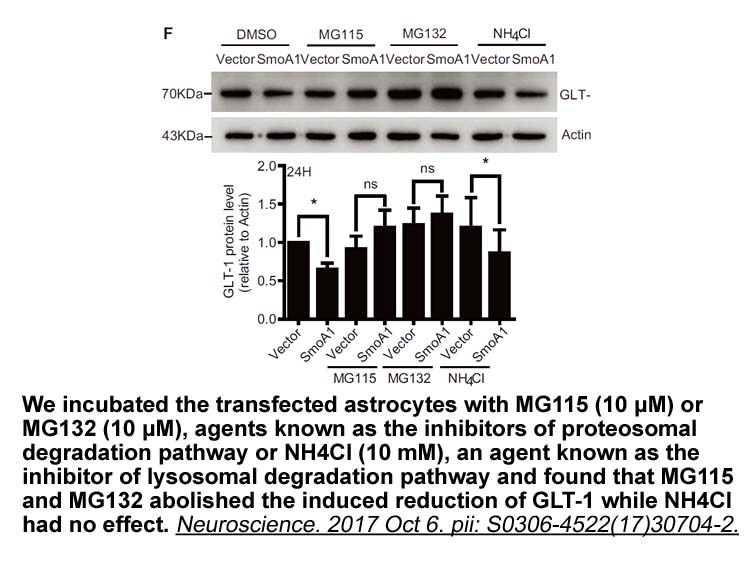
What can we learn about the anticancer therapeutic efficacy of Aurora kinase inhibitors from our experience with the Bcr-Abl inhibitors and the long term clinical consequence of their use in treating leukemias? As discussed, all Aurora kinase inhibitors developed to date are ATP-competitive inhibito
-
Molecular simulation has proven useful in describing
2024-05-16

Molecular simulation has proven useful in describing the dynamics and energetics of NMDA receptor LBD cleft closure and the potentiating role of glycans (Yao et al., 2013, Dai and Zhou, 2013, Dai and Zhou, 2015, Dai and Zhou, 2016, Dutta et al., 2015, Omotuyi and Ueda, 2015, Sinitskiy and Pande, 201
-
Activated MAP kinases transform the stimulus
2024-05-16
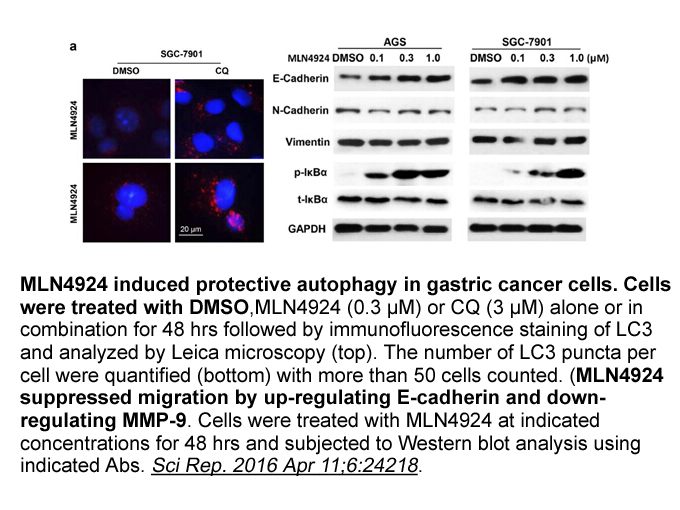
Activated MAP kinases transform the stimulus into the pathophysiological responses by phosphorylating downstream substrates, including transcription factors, cytoskeletal proteins involved in mRNA translation (Li et al., 2015). Among the numerous effectors that intervene in the TNF-α action is an ac
-
Previously we have detected the expression of
2024-05-16
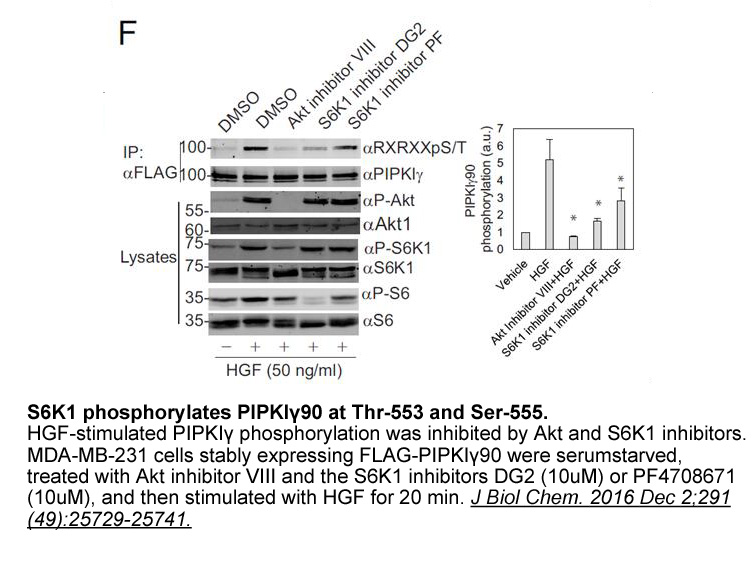
Previously, we have detected the expression of APJ receptor on stomach projecting azd2171 in DMV, in addition, icv administration of apelin-13 induced a remarkable c-Fos activation in those cells which were previously marked by a retrograde neuronal tracer fast blue (Birsen et al., 2016). Moreover,
-
In recent years the higher lipophilicity thus better perform
2024-05-16
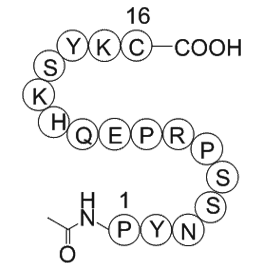
In recent years, the ‘higher lipophilicity’-thus-‘better performance’ tenet, derived from the polar paradox theory applied to micro-structured media, was challenged by novel and unexpected experimental results. In particular, the synthesis of many complete series of fatty Valproic acid esters of na
-
br Discussion Hepatic dysfunction in the metabolic syndrome
2024-05-16
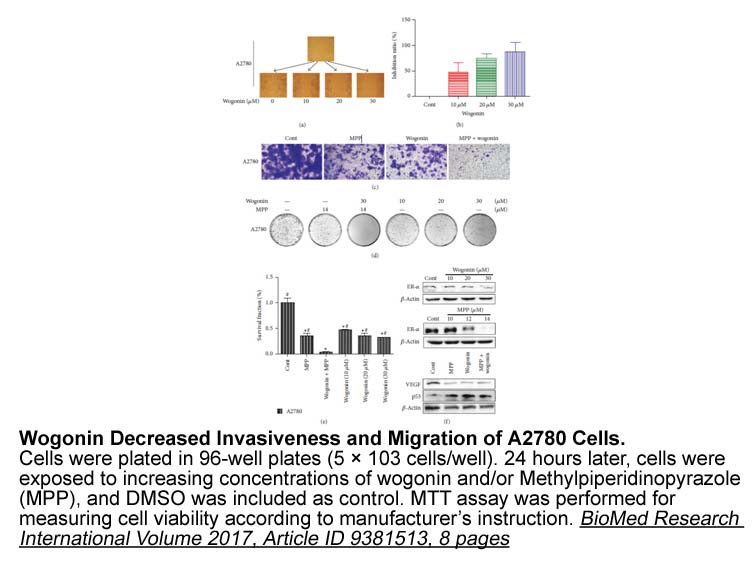
Discussion Hepatic dysfunction in the metabolic syndrome is a driver of negative patient outcomes that requires more therapeutic options. The complexity of liver alterations in this disease – elevated de novo synthesis of fatty acids and cholesterol, reduced clearance of circulating atherogenic L
-
Synaptic scaling up is induced
2024-05-16
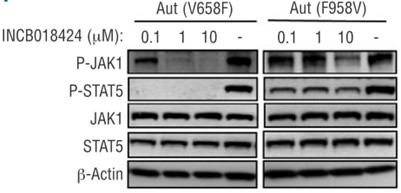
Synaptic scaling up is induced within primary visual casr (V1) by brief sensory deprivation (Desai et al., 2002; Lambo and Turrigiano, 2013). Several studies have examined the transcriptional changes within extracts of V1 following visual deprivation protocols (Lachance and Chaudhuri, 2004; Majdan
-
br Experimental procedures br Results br Discussion br Ackno
2024-05-16
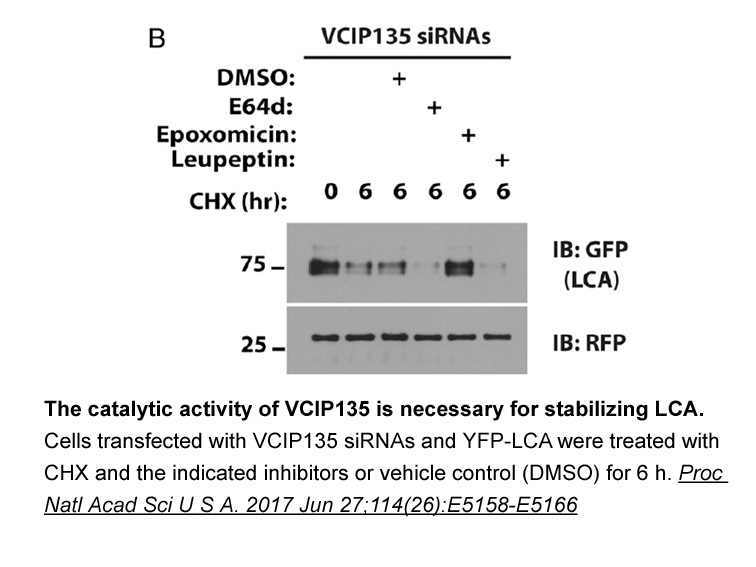
Experimental procedures Results Discussion Acknowledgments SRE and EBL contributed equally to this chlorpromazine hydrochloride work. SRE, EBL, and MJT designed experiments, SRE, EBL, MCH, and AEI conducted experiments, SRE and EBL analyzed data, and EBL and MJT wrote the manuscript. We
-
br Serine glycine and one carbon metabolism Altered
2024-05-16
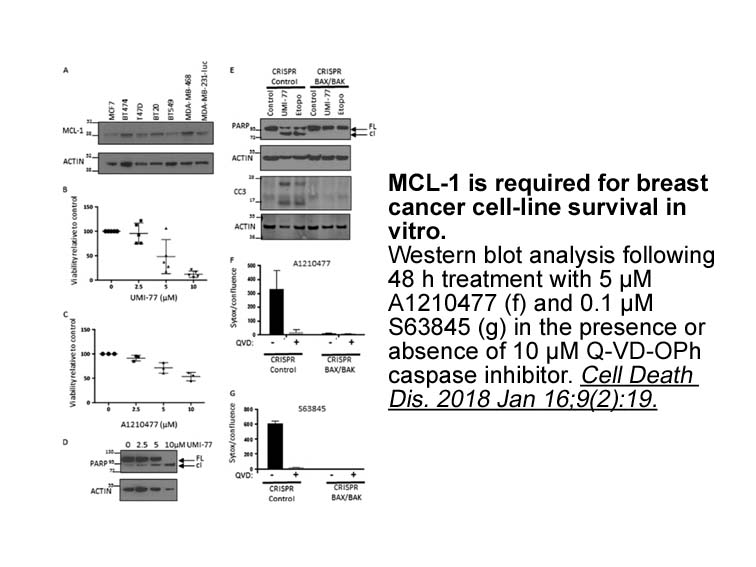
Serine/glycine and one-carbon metabolism Altered serine metabolism in tumors was noted nearly half a century ago, and elevated flux through the de novo serine synthesis pathway (SSP) is a common phenomenon in cancer (R)-baclofen sale [43]. The SSP branches from glycolysis at the point of 3-phosp
-
The lactam emerged as lead candidate due to its
2024-05-16
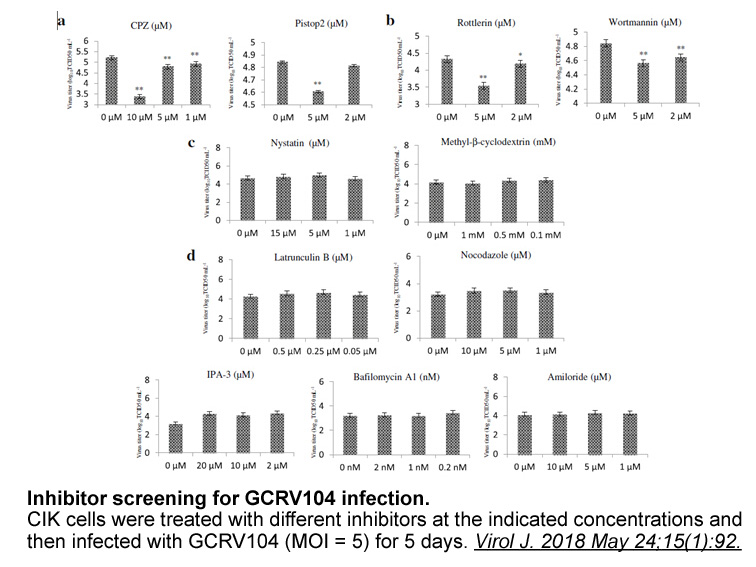
The lactam (6) emerged as lead candidate due to its high selectivity, outstanding potency (against ALK or in clinically known ALK mutants), low in vitro clearance, and low efflux potential. The lactam (6) was selected for further profiling against the resistant ALK mutants. Preclinical rat pharmacok
8573 records 190/572 page Previous Next First page 上5页 186187188189190 下5页 Last page